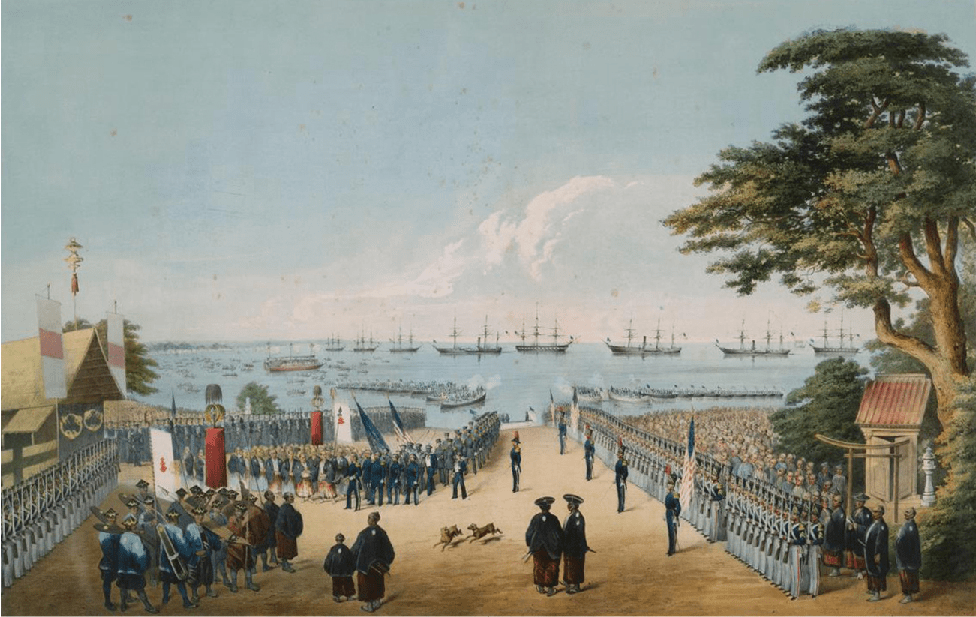
If I could live in any East Asian nation at any time, I would like to live in Japan during the Meiji Period. Before this time Japan experienced a several century period of isolation where no one could leave and no one could enter the country, with the only exception being the Dutch at the port of what is now Nagasaki. And so life would go on this way until 1853, when a squadron United States Navy vessels headed by Commodore Matthew Perry arrived in Edo harbor. After lengthy negotiations, the Tokugawa shogunate opened the borders of Japan to the outside, and foreign powers started pouring in.
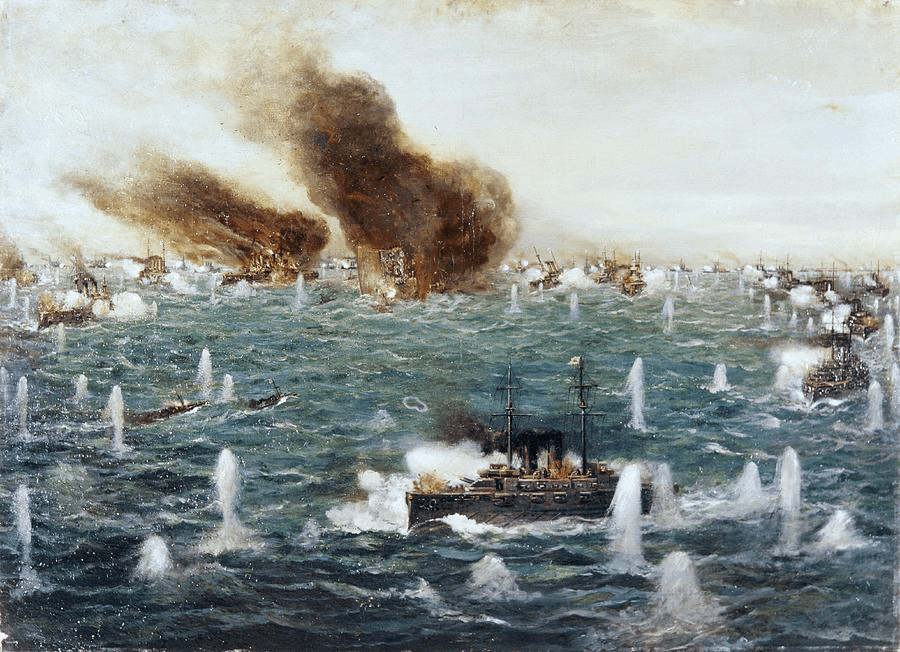
At the time the the various classes of Japan began to shift in their power dynamics; many of the once mighty Samurai class becoming poorer than the farmers and merchants they used to look down upon. While many benefited from the changes, discontent stirred in the southern portion of the nation. The prefectures of Choshu and Satsuma took up arms against the Shogunate, and with limited outside assistance from the British, overthrew it and restored the emperor as head of the nation. A young Emperor Meiji set about limiting foreign influence, but did not restore the samurai class to a position of importance. He did however allow many of its members positions in his government and armed forces. After putting down the Satsuma Rebellion, he went on to oversee his nation’s rise to international prominence. The incredible feats of the Japanese in the Russo-Japanese War, and the utter destruction of the Russian Navy during the Battle of Tsushima Strait secured their place as a world power, avoiding the fate of a fractured and European dominated China.
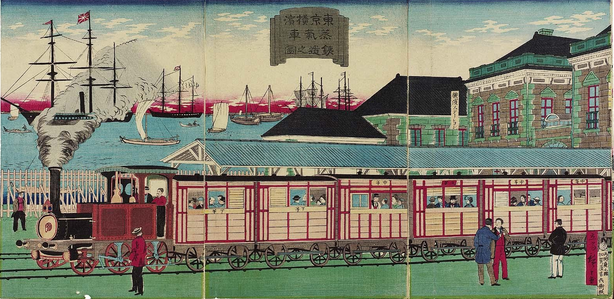
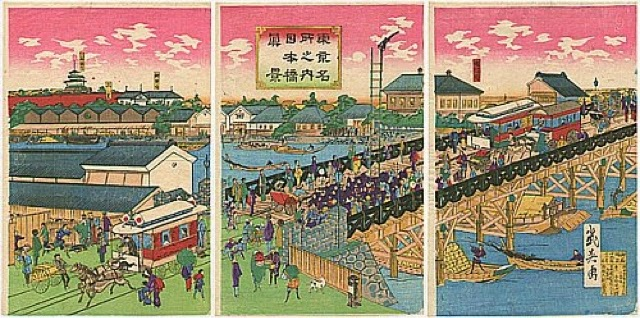
In a matter of 40 years Japan went from a feudal 17th century nation to a modern constitutional monarchy. Steam locomotives, electricity, factories, coal powered warships, telegraph lines, western fashion, all contrasted with retained traditional aspects; surely this would make for an astounding era to live through.
 World Civ 1 SLy
Leave a comment