When Rome fell there was anarchy across the empire. At least, the Western half, the Eastern Roman Empire was just fine. In fact the entire rest of the old world was doing relatively fine.
This does not however detract from the impact this would have on Europe for centuries to come. The institutions set up to maintain vital infrastructure such as roads and aqueducts were no more. The various ethnic groups once under Roman dominion carved out their own territories and went to war.
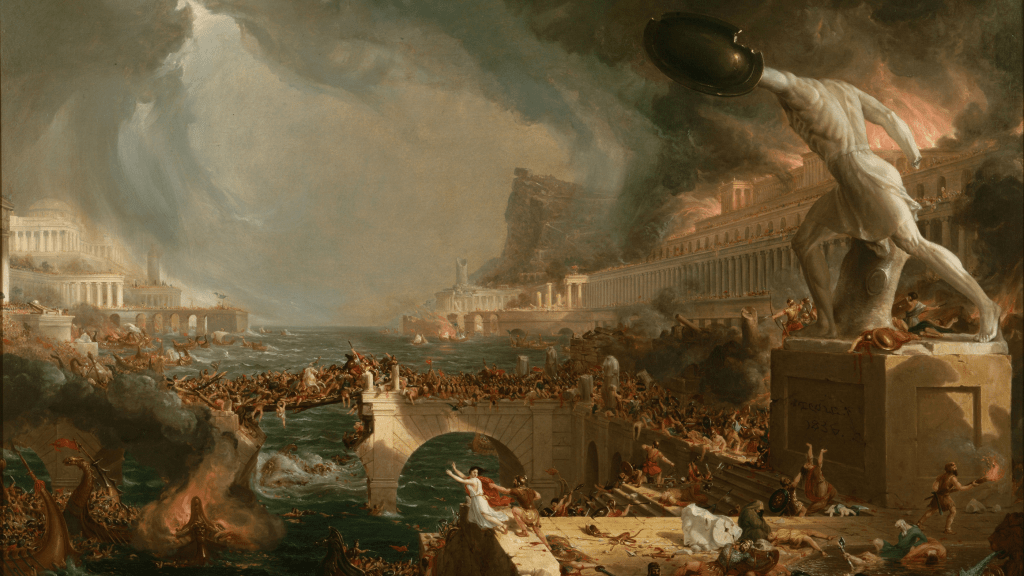
When using the term “Dark Ages”, one must understand that this is referring to a period of several centuries, particularly in Europe, after the fall of the Roman Empire. In the rest of the world life went on, empires rose and fell, Islam was founded and China went through several dynasties.
The Islamic Golden age came about during the late Dark Ages, with the city of Baghdad becoming a proverbial Mecca of knowledge and academic learning. Most of the surviving ancient classics came out of this period. Even before that time there were Irish Monks who kept the tradition of literature alive in Europe, diligently copying down older works in their monasteries, illustrating wonderful illuminations in the margins of their works.
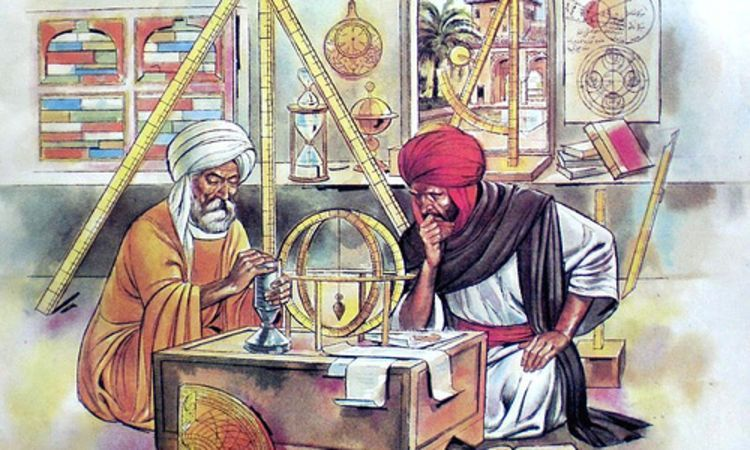
It was not the most productive or explosive era in European history, but it was not as though the world stopped turning for centuries. People still lived their lives, fought for their homes, worshiped God or their gods. In my opinion, to call this period the “Dark Ages” suggests that the lives of these people did not matter. I also firmly believe that the early kings and figures of the Medieval Europe would strongly disagree with that mindset, for the survival of their ancestors led to their eventual rise.
 World Civ 1 SLy
Leave a comment