When studying the cultures of the world, historians have generally focused on the written sources they left behind or still possess. These artifacts, if they are able to be read, allow them to piece together a deeper history of that culture. What sets Africa, and in particular Sub-Saharan Africa, apart is that traditional practices led to a prominent reliance on oral tradition when telling group’s history. Why this is an issue for historians stems from the European colonization and exploitation of Africa.
Over the course of many centuries Sub-Saharan Africa was pillaged by European powers seeking natural resources and a pool of cheap (often unpaid) labor. In their eagerness to consume the continent, the forces behind the growth of their empires went in with hardly a modicum of respect for the cultures or customs of the native peoples. The Atlantic Slave Trade, forced labor, family separation, displacement, destruction of their homes and cities; all of these contributed to the oral histories of African being all but lost.
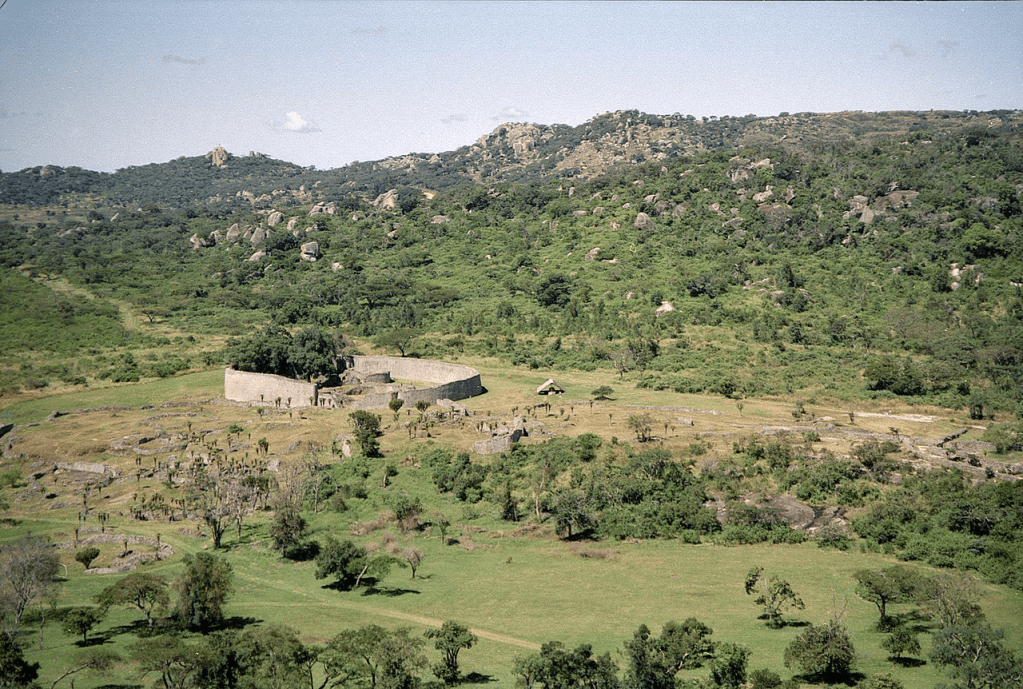
It comes then as no surprise that the history of Africa is only just now beginning to be recorded and understood in depth from the cultures that survived these events. Hopefully time will tell if those in the future will know of these cultures as well as we do others around the world, and that even their heritage sites may be respected for the treasures they are.
 World Civ 1 SLy
Leave a comment