The first two decades of the 1900s had an enormous impact on how the 20th century would play out for the United States.
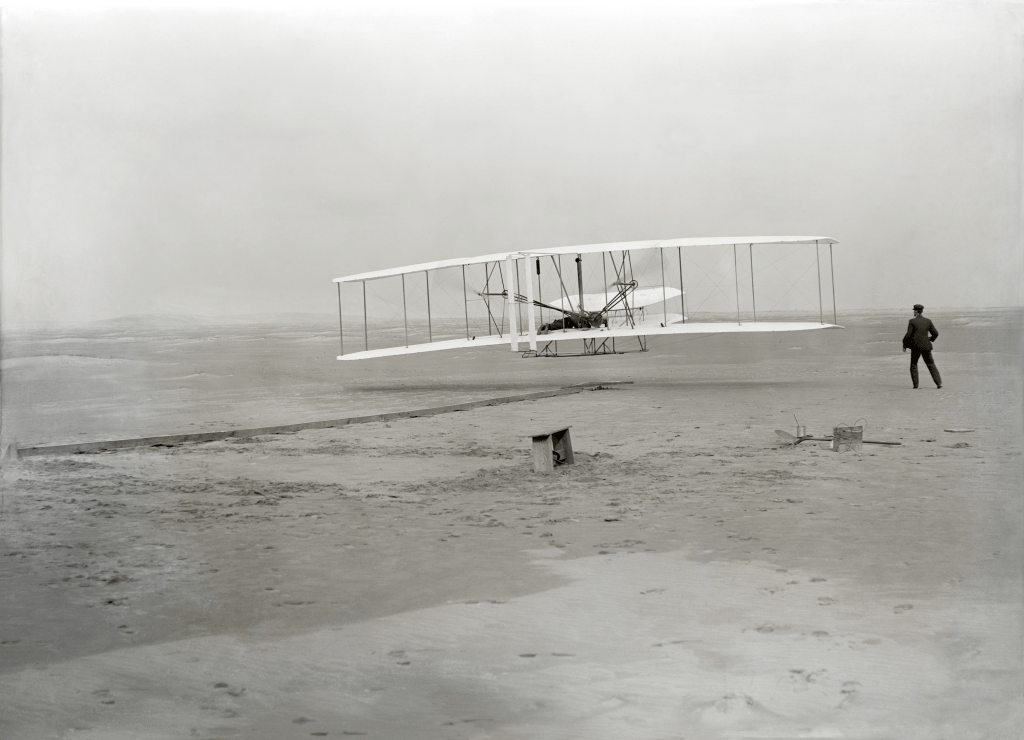
The 1900s saw the creation of not only Henry Ford’s namesake auto manufacturing company, but of the first powered flight of a heavier-than-air vehicle by the Wright Brothers at Kitty Hawk, North Carolina that same year.
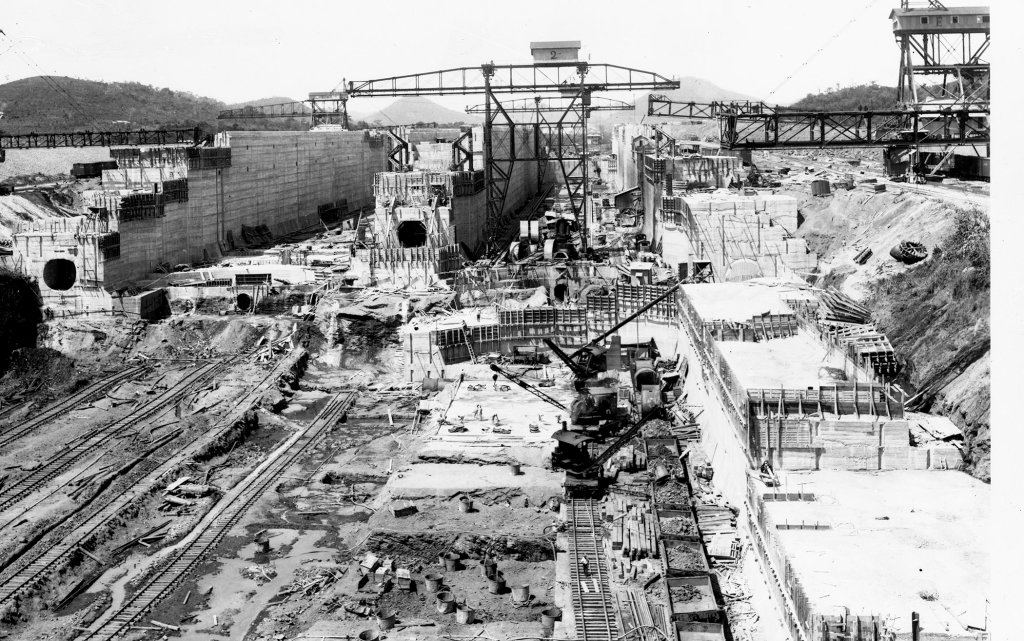
With the presidency of Teddy Roosevelt bringing about social reforms and expansion to government programs, not to mention the construction of the strategically important Panama Canal; America was already set to evolve into a major player on the world stage. With the advent of World War I and the desire of Europe for raw materials, the U.S. was easily able to skyrocket to the premiere economic power in the world off the back of the British Empire’s wartime expenditures.
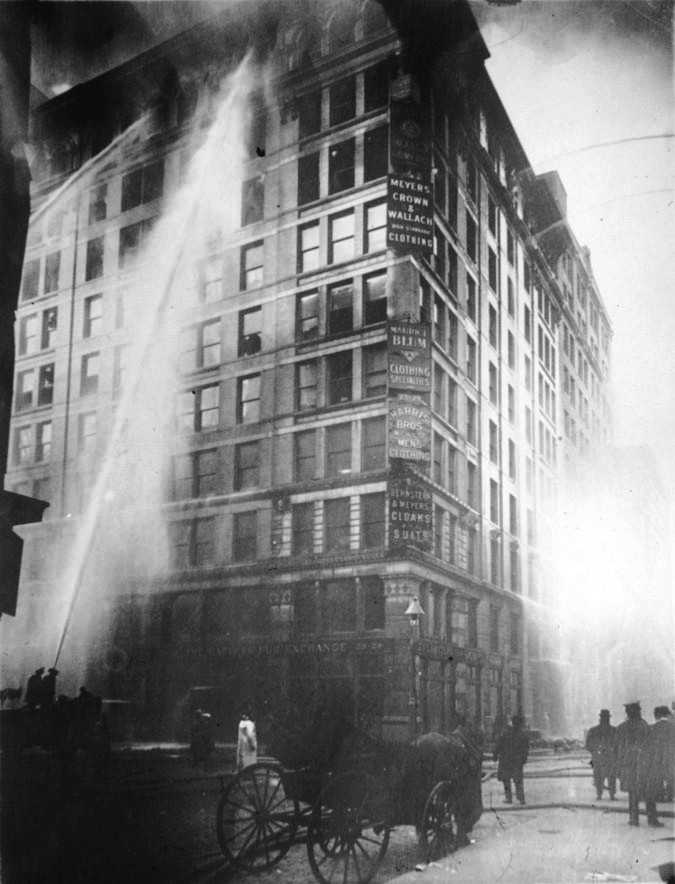
In regards to the working classes, the Triangle Shirtwaist Fire brought workers safety into the national public consciousness. Suddenly fire escapes, emergency exits and evacuation procedures became more frequent in office buildings and factories, with New York developing the strongest labor laws in the nation by the time the 20’s rolled around. These regulations would lay the groundwork for national policies implemented under F.D.R. and the eventual creation of OSHA decades later.
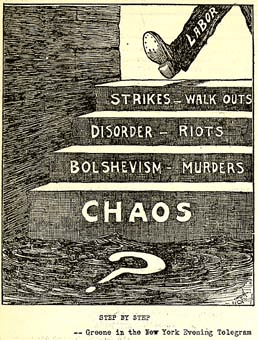
But one cannot ignore the negative events that occurred in this decade in regards to political and race relations. The screening of Birth of A Nation at the White House under Wilson caused the infamous hate group, the KKK, to resurge across the country. The effect this film had on communities of color would be felt by their war veterans returning from the less racial-focused fields of France, and by other innocent bystanders who were in the wrong place at the wrong time. On a similar note, as if to foreshadow the events of the 1950’s, the first Red Scare resulted in general panic and fear of left leaning groups and organizations, leading to a more politically conservative decade in the 1920s.
 World Civ 1 SLy
Leave a comment