Before reading this novel I figured that racial relations in the British Colonies and the later United States had always been poor. The common perception is that life for blacks in the United States started of as a system of persecution and slavery; one that did not go away until the American Civil War, and even then there was a century long struggle to gain equal protections and privileges under the law. In Myne Owne Ground however the truth appears far stranger and more nuanced than what is normally thought.
On the Eastern Shore, the detached peninsula of the modern U.S. state of Virginia, there were blacks who would not only gain their freedom from servitude, but even find success in establishing themselves in the middle of the 1600s. Fascinatingly still was the records left behind from the county courts, where not only were their financial assets made available to us, but their records of marriages and conduct as well.
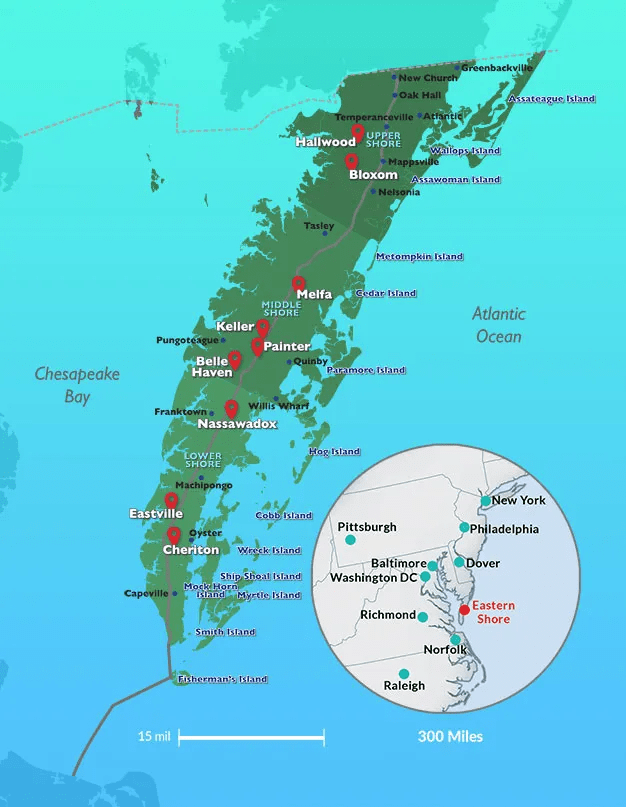
They owned land, made profit, interacted with the surrounding community, got married, raised families, went to court, won cases, and yes, even owned slaves. Such was the case with Anthony Johnson, an African-born who rose up to become an influential figure with his estate on the Pungoteague Creek. One should know that indentured servitude was not as racialized as it would become in the over the next few decades and onward. Another surprising find was that Francis Payne, another free black, was able to get married to a white woman name Aymey and even include her in his will with affectionate language.
Unfortunately, despite all their best efforts, the society that allowed these unique individuals to achieve success, to set aside enough assets to distribute inheritance to their children, would morph into one that targeted them as subservient, subhuman beings. But nonetheless, the story of the free blacks of the Eastern Shore should be known, for it enriches the overall narrative of being black in America, showing that even with all the caveats of 17th century life, mixed race societies could exist on our shores.
 World Civ 1 SLy
Leave a comment