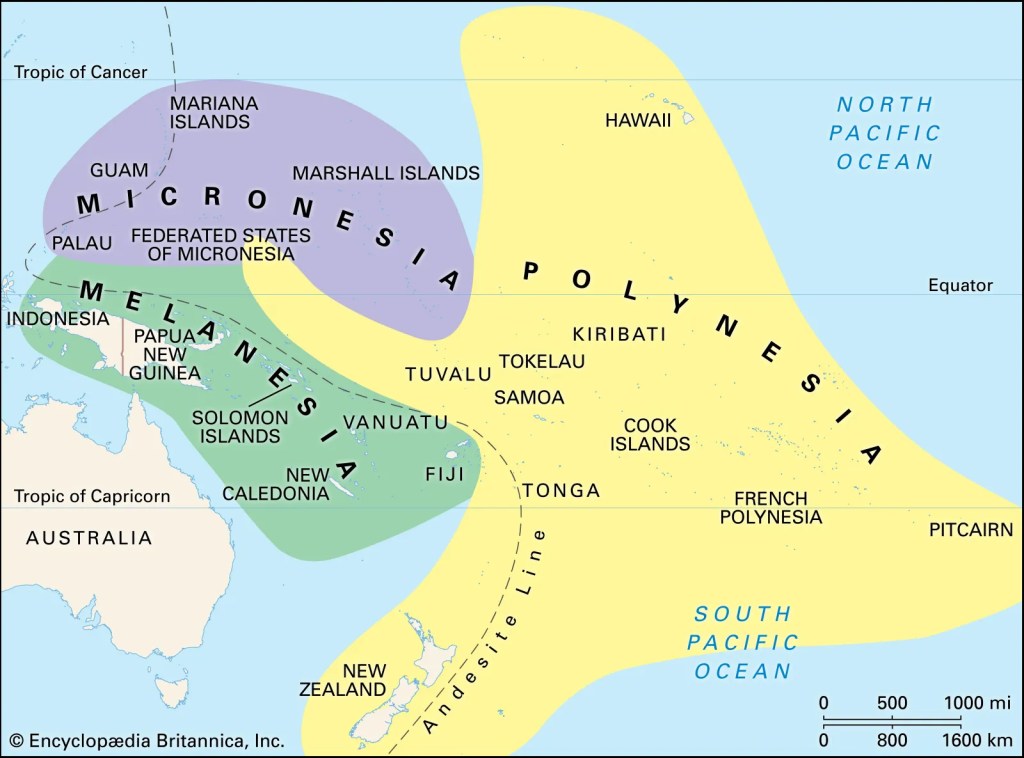
In the book Islands of History the authors utilize a more anthropological record to record the stories of various Pacific island peoples, such as the Tongans, Fijians, Maori, and Hawaiians.
Unlike other contemporary cultures and societies, the Polynesians (and Melanesians such as Fiji) did not develop a writing system that historians could analyze. With this predicament, the study of their mythology and culture would provide anthropologists a greater opportunity to extrapolate data for study.
It takes a different mindset for this kind of work, for in the realm of history we are taught to rely upon written sources, and for many cultures, such as the Chinese, the Kyivan-Rus, or the Romans, we find a plethora of knowledge in what they wrote. In cultures without this feature, it is up to those who know how to study people and the stories they tell to one another.
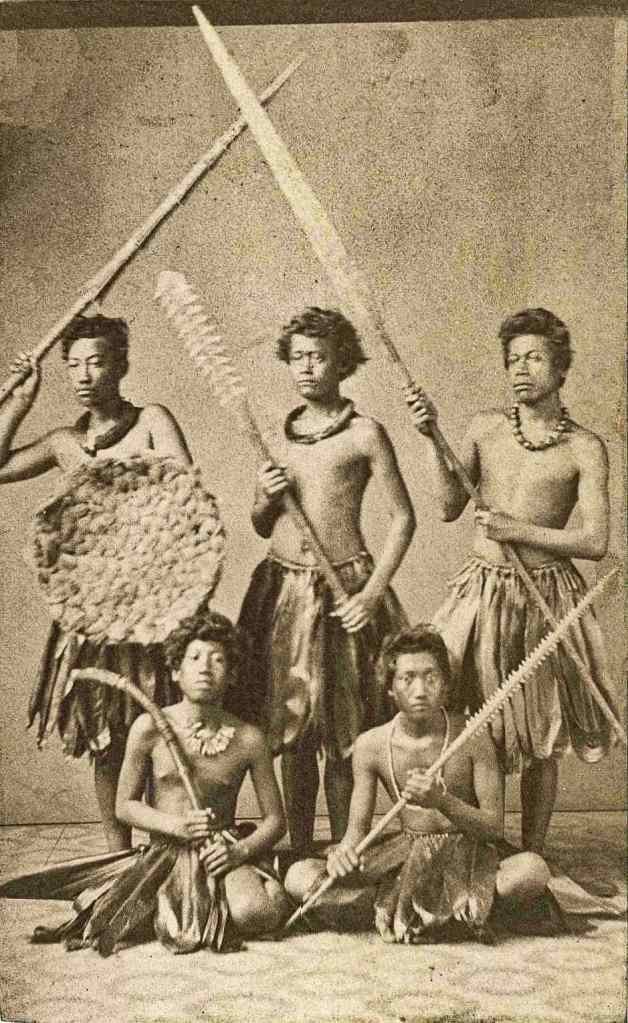
If one is to understand a culture one must look at its art, customs, and legends. In the case of Hawaiians there seems to be a strong association with sex, innuendos, double entendres, and suggestiveness in their art and poems. One can draw a line back to their creation myths such as the one which contains the origins of mankind in a love triangle between man, god and woman.
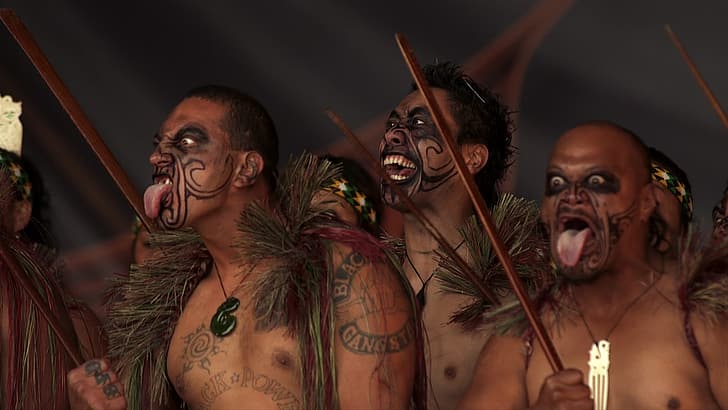
For New Zealand’s (Aotearoa’s) Maori culture, the sweet potato in legends is considered to be a divine entity. That is why the Maori cook it, to strip it of its divine nature, its fertility. It also establishes a unique power dynamic in contrast to the one found in western myths and faiths, where in gods are revered or respected; meanwhile the Maori assert themselves over gods.
 World Civ 1 SLy
Leave a comment