In centuries past the Delaware River was inhabited by a people known as the Lenape. In the 1600s the Swedes and Finns arrived in the area, bringing along what one would expect of Europeans: their ideas, items and illnesses. Despite these newcomers and the on-and-off Dutch presence, the area found itself in a state of not only relative peace but that of cooperation and even some integration.
Things changed when the English came into prominence in in the later part of the 1600s, and would continue to do so until the identities of these peoples and cultures had all but faded from memory. However, their presence has remained as part of the landscape, the places, and even the symbols of locations, even if indirectly.
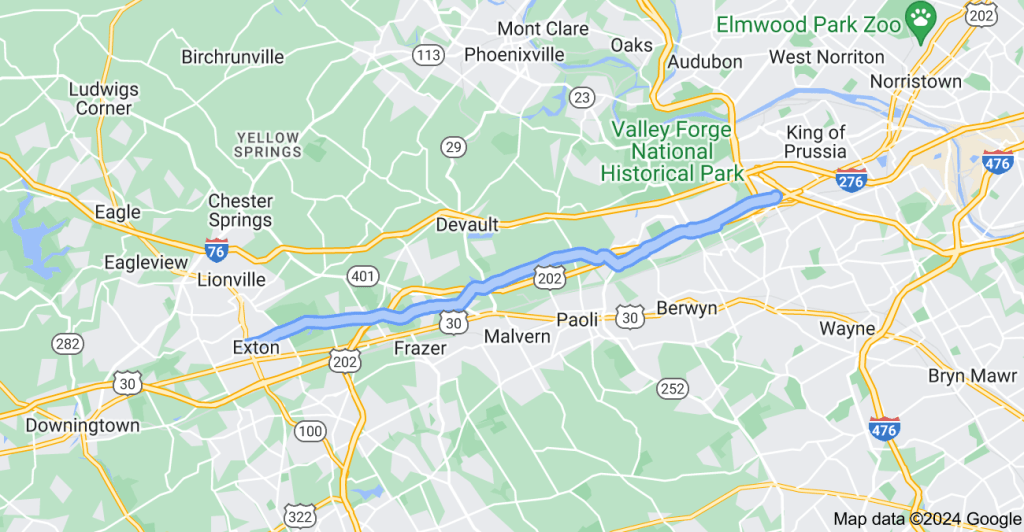
For example, in Pennsylvania the Swedesford Road, which runs from the area of King of Prussia down to Exton, pays homage to an actual swede who, in the early 1700s, established a rope ford by which to ferry goods across a body of water. Speaking of which, the Schuylkill River derives its name from the Dutch, meaning “Skulking Creek.”
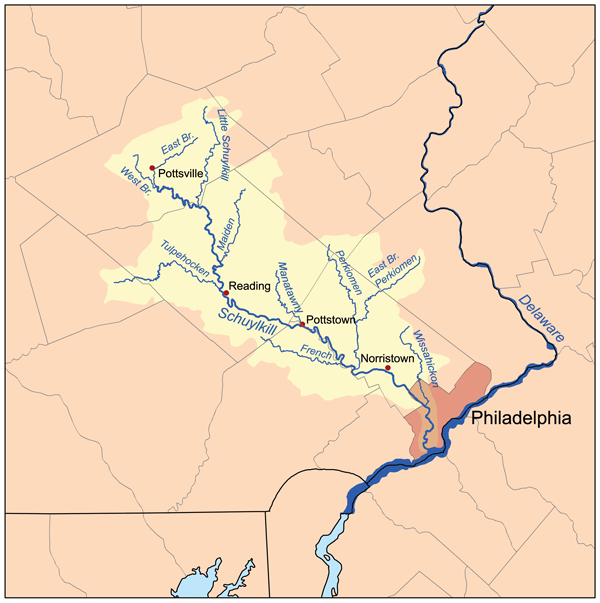
The mighty Susquehanna River still bears the name of the people who once lived along its banks, as does the town and pike of Paoli, and the town of Conshohoken. (Funnily, a coincidental nod to the Swedish history of the area can be seen in the flag of the town/city of West Chester.)

The greatest legacy however of all these people groups is that this area has continually served as a melting/stew pot of every race and culture that has come to the area. The area was not and has not been a utopia by any stretch of the imagination since the time of the Swedes, Dutch, Lenapes and Finns, but the area of Southeastern Pennsylvania can be seen as honoring the old traditions by serving as a steady home to so many different peoples centuries later.
 World Civ 1 SLy
Leave a comment