Talk about fundamental shifts. The 1950 and 60s saw America through decades of changes to American society, both in how people thought of themselves and others, and of the actions of the government.
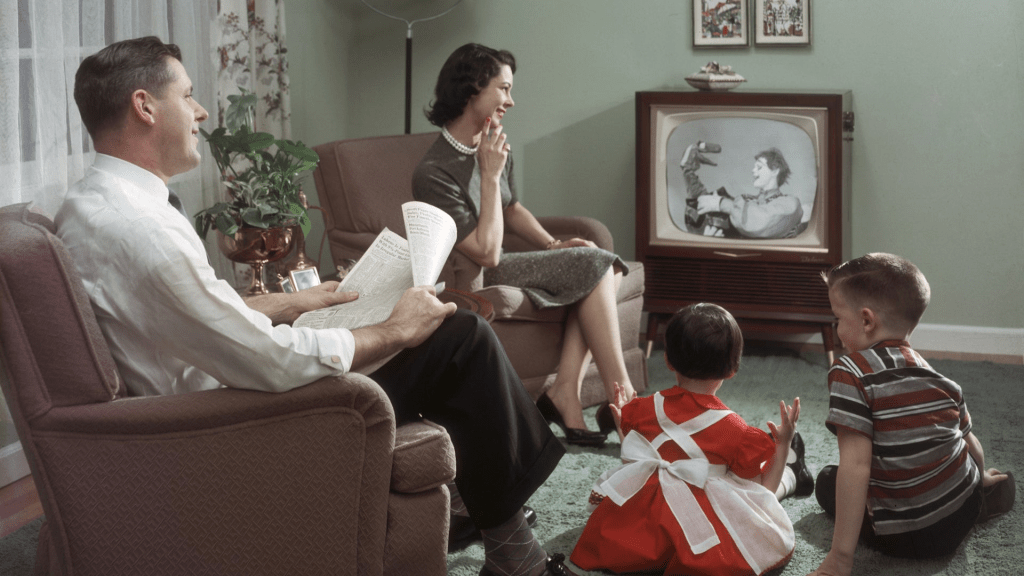
The late 40s and 1950s saw a generation of Americans who were able to grow up in the post war economic boom. Many were raised with an optimism for the future and a decent respect for the authority figures and institutions in their lives, but the events of the following decade would shake these feelings for many of them.
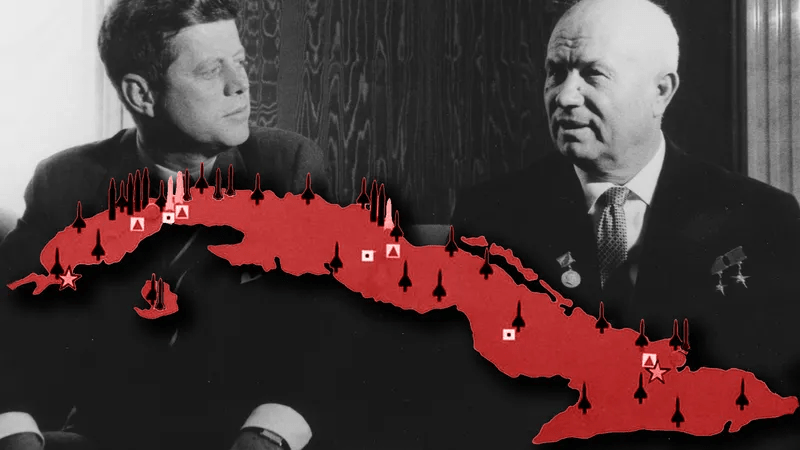
The US government was getting involved in a globe spanning power struggle with the Soviet Union. Their relationship would define the second half of the 20th century and even into the modern day with the current war in Ukraine. It nearly reached the breaking point with the Cuban Missile Crisis, which undoubtedly changed how the two superpowers interacted, with direct lines established between the White House and Kremlin.
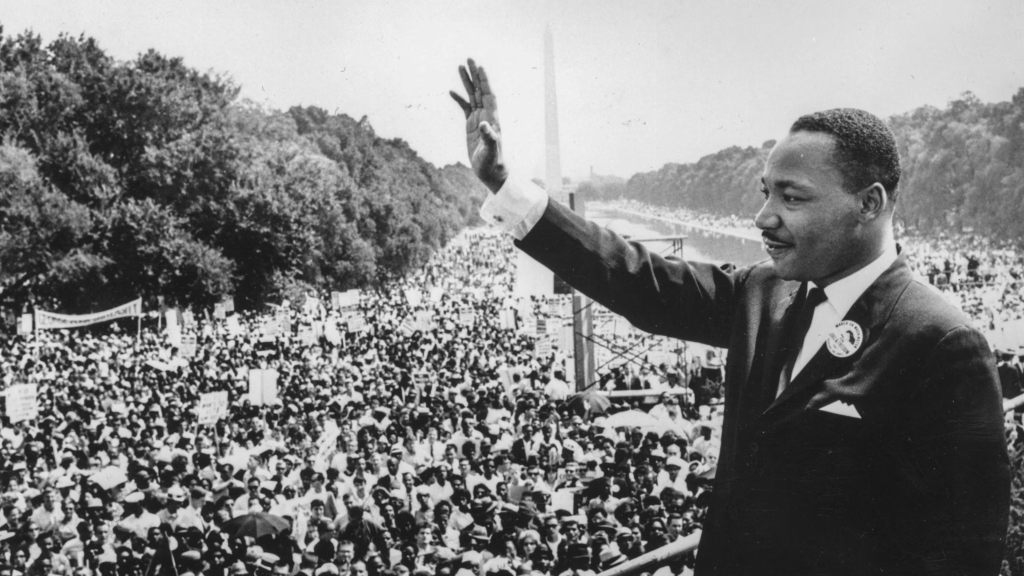
The Civil Rights Movement redefined race relations throughout the United States. Although it would take time for integration to be fully embraced by the general public, having it enshrined in law definitely helped. Martin Luther King Jr. served as an inspiration to millions of Americans generations even after his untimely death. In fact, political violence became a disturbing trend in the 60’s for popular political figures in the United States.
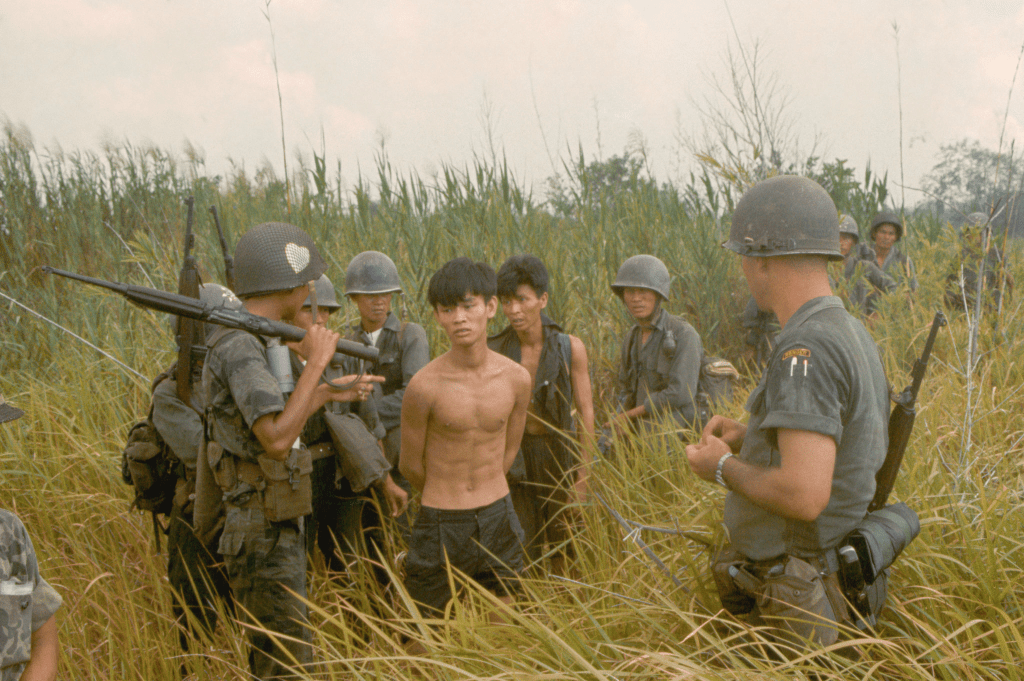
Vietnam also exposed how ironically imperial our government’s ambitions had become in the name of stopping the Soviets. It became a nationwide demand by the end of the 60’s to withdraw from the conflict.
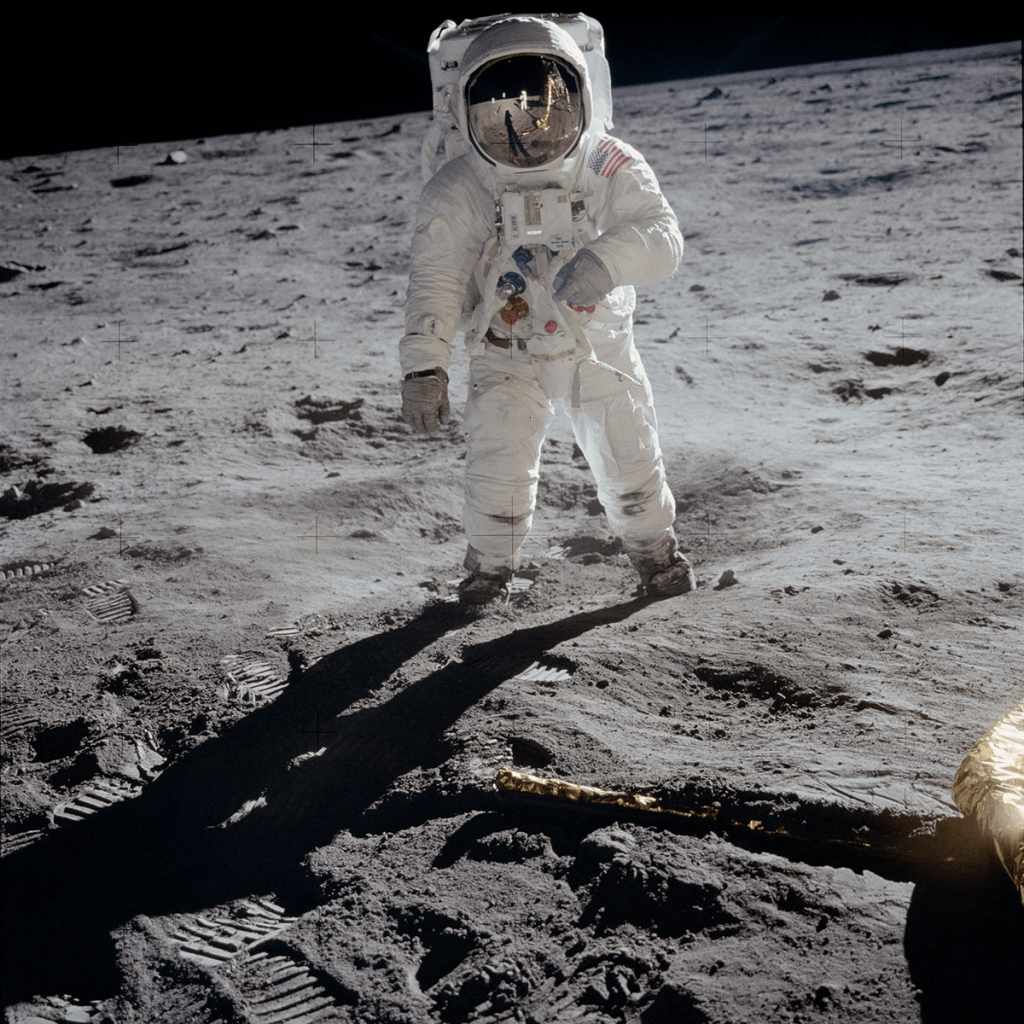
But as always, not everything that was happening was grounded in sensitive issues, for a challenge had been made by the Soviets and a goal set by JFK to put a man on the Moon by the end of the decade. Apollo 11 with Neil Armstrong and Buzz Aldrin in 1969 became first successful human journey to and from a planetary body.
 World Civ 1 SLy
Leave a comment