-
HIST 311 American Studies I: Topic 10: Great influences of the 1800s
There was much that occurred in the United States during the 19th century which has left a substantial impact on the nation of today.
To begin, the United States added many new states and acquired territories spanning from the Atlantic to the Pacific Ocean and beyond, and from sunny Puerto Rico to frigid Alaska. This expansion did not come without a price. Some of these lands were bought for by purchases, many others gained through conquest of those that lived on it, and others were expanded to by wars the United States won against other powers. It took its toll on countless cultures, some of whom did not survive the transition, while many others fought hard to keep their identities alive. Without this vast geographic territory the United States would undoubtedly have a different culture than what we know, for better or worse.

All was not so simple for the United States however, as the nation underwent a dramatic event with its Civil War that resulted in hundreds of thousands dead and the end of slavery within the nation. There was the establishment of voting rights and anti-discrimination amendments, although the fight for civil rights would continue well beyond into the 20th century.
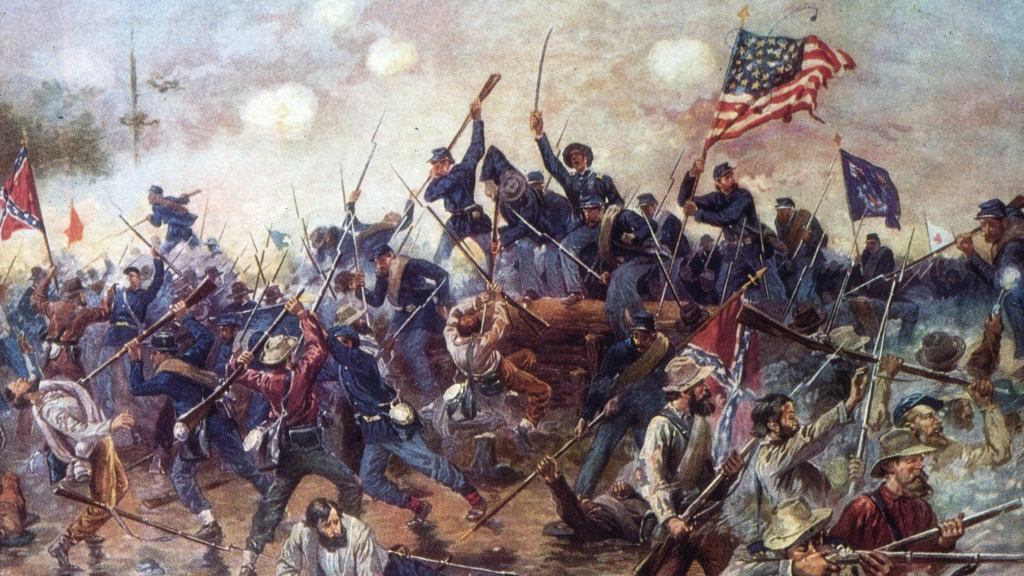
A depiction of the ferocity of battle during the US Civil War 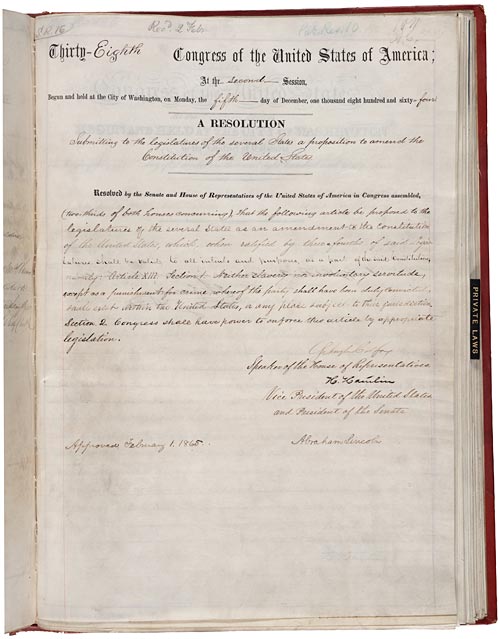
The Thirteenth Amendment of the US Constitution Dramatic changes to the nation were also aided by the Industrial Revolution, with the advent of so many machines, mechanized transportation, inventions, scientific fields and discoveries, and even methods of communication and lighting. But while the United States industrialized, the rich became richer, to the point of absurdity, and the poor had to endure harsh conditions in factories to fuel modern industry. As a result, the fight for workers rights became a growing movement that would eventually bear fruit in the 20th century, but not before many suffered or were lost.
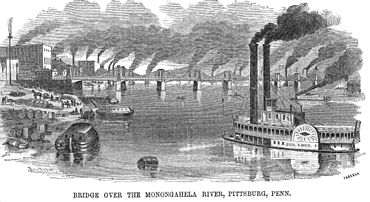
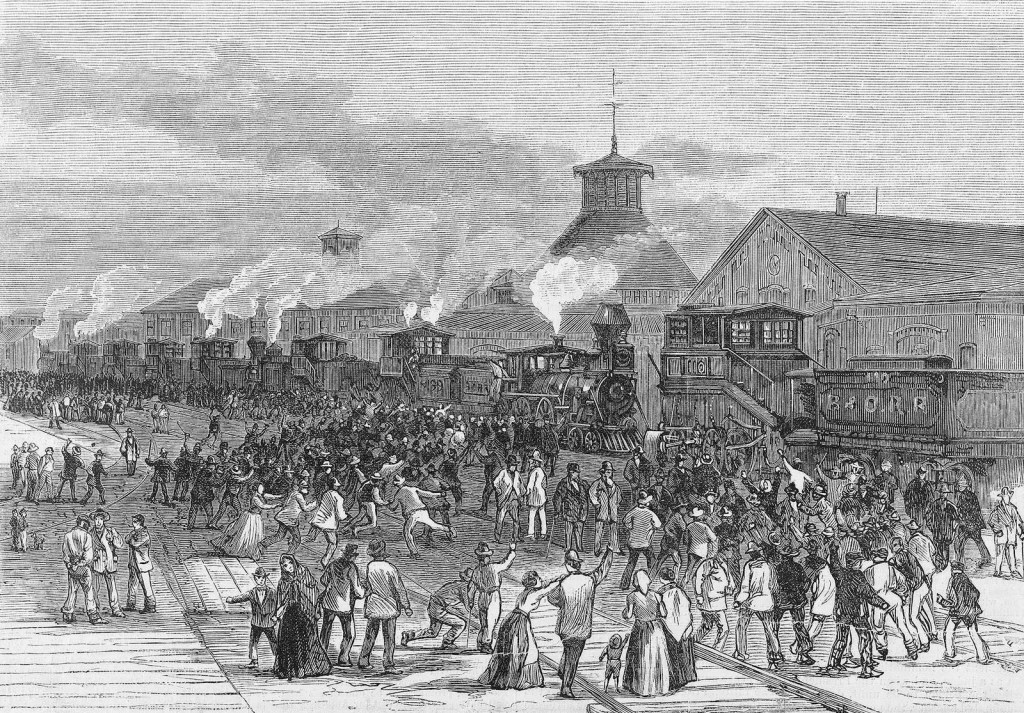
The Great Railroad Strike of 1877 There was much more, but these are the points I consider most important. It is a highly interesting 100 years that shows a dramatic shift in the way people lived their lives, traveled fought wars, and thought of the world.
(This may be the last post I ever make on this site, so for those of you who have been with this blog for the past few years, thank you so much for reading and I hope you live great lives of your own!)
-
HIST 311 American Studies I: Topic 9: Inevitability of Civil War
The American Civil War was the bloodiest conflict ever fought on American soil. Its driving factor was over the issue of slavery, and for those who wish to deny that fact you can look up the letters of secession that multiple states who joined the Confederacy drafted and signed, such as Mississippi’s. Also, should you ever cross paths with someone who argues it was about “states rights”, do ask them “states rights to do what?” There will likely be an angry pause. In addition, if you hear them call Lincoln a “tyrant” or call the conflict “the War of Northern Aggression,” know that the first conscription law in American history was passed by the Confederacy and the free press was heavily censored, and that before the attack on Fort Sumter the secessionists had already raided and seized multiple Federal arsenals for months before war was declared.
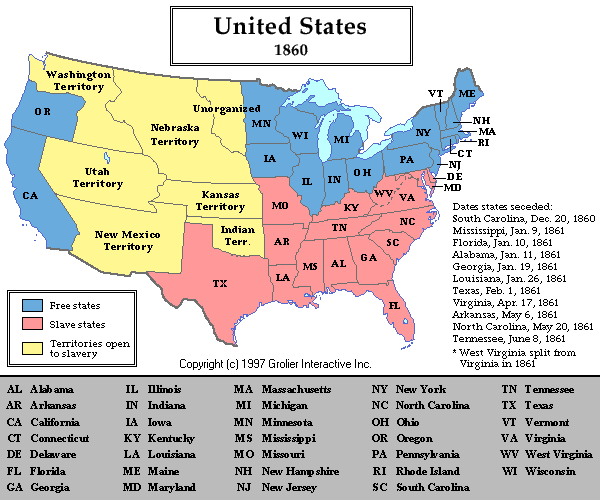
That out of the way, the point at which the Civil War became inevitable is hotly debated, with the extreme positions saying it never was and others saying as soon as the USA was founded. Of the more reasonable stances to take, John Brown’s Uprising and Abraham Lincoln being elected are the likely tipping points.
John Brown was a complicated man. He was undeniably a devout Christian and intense advocate for immediate emancipation, but not a very good tactician and strategist. His raid on Harpers Ferry, Virginia, in an attempt to seize arms for a massive slave rebellion and guerrilla war, went terribly. Many saw him as an insane old man, but through his writings, his oratory wit, and the help of his abolitionist friends and allies, public sentiment in the North shifted and he became a martyr for freedom. To the South he became a nightmare, and likely pushed the planter class to begin preparing for a rebellion of their own to preserve their exploitative institution.
Abraham Lincoln was a politician and former lawyer who in his presidential campaign vocally spoke out against the expansion of slavery into the United States’ new territories, although in 1860 he had yet to make any plans to eradicate it. He was removed from the ballot in multiple southern states, yet because of the four way split in the election, Lincoln won the plurality of the popular vote and the majority of the electoral. It was after this election result that the Southern states began to secede, before Lincoln was even inaugurated, thus marking the point of no return.

Presidential Election Map of 1860 -
HIST 311 American Studies I: Topic 8: What If…?
In the 1830s and 40s, the United States and Mexico were in a state of contention. Mexico would go on to lose a war against the temporarily independent Republic of Texas and then the United States soon after. They would lose much as a result, but what would things look like if they didn’t?
When Mexico declared its independence from Spain in 1810 and won it in 1820, the nation inherited a considerable chunk of land out west. The modern states of California, Arizona, New Mexico, Nevada, and Texas, along with parts of Wyoming, Colorado, Kansas and Oklahoma were part of Mexico’s territory. Mexico, over the course of this time, went from an empire, to a provisional government, to a federal republic, to a centralist republic, and finally a second federal republic, all between the years of 1820 and 1848.
Funnily enough, there was a Mexican leader named Antonio López de Santa Anna who became involved in both the Texas Revolution and the Mexican-American War, losing his presidency, the wars, and his leg twice (albeit the first and real leg was a different war). It was primarily a result of his failures as a general, politician, and diplomat that Mexico lost as much territory as it did, even after the conflicts. Blame must be shared with those who centralized the government however, causing the Mexican states to rebel in the first place.
If Mexico had not lost its territory in the north it would be around twice its current size today. The vast natural beauty and resources of those places would have been invaluable: Texas with its oil deposits, Arizona with the Grand Canyon, Utah with its salt flats, New Mexico with its copper, Nevada with its silver and eventual nuclear testing grounds/experimental facilities, Colorado with its mountain`s, California with its gold, fertile valleys and mediterranian climate, not to mention the countless waterways and natural harbors. Should all of these things have remained under the control of Mexico, it very well could have grown as a nation to rival and maybe even surpass the United States.
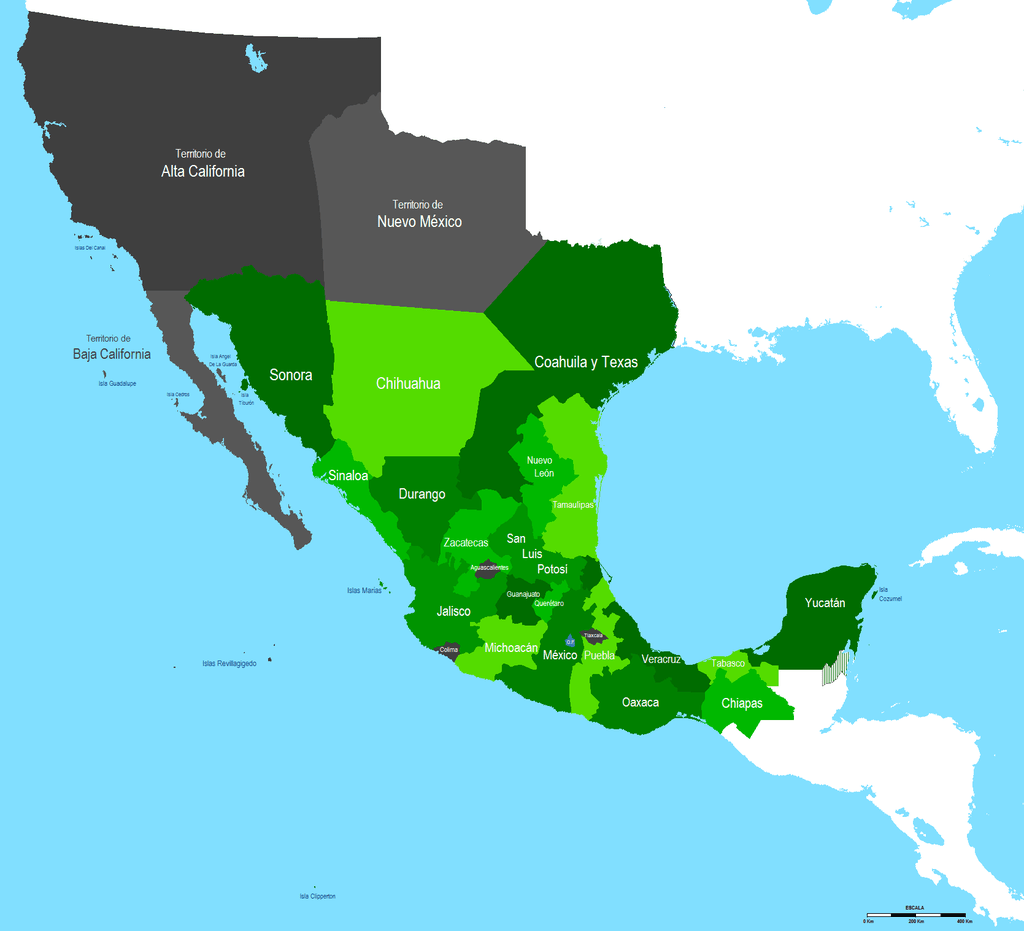
Mexican Territorial Extent (1835) -
HIST 311 American Studies I: Topic 7: Living in the 1820s
If I were to be living in the 1820s in America my first concern besides the necessities would be the way in which the government had begun to conduct itself. While the expansion of our territory would not be the most horrible thing, especially the acquisition of Spanish Florida, it prevents us from taking a high road against less savory empires elsewhere. The Missouri Compromise basically re-validated the institution of slavery in the United States, by allowing a new slave state for every free one. The elections kept getting worse as the one in 1824 was a deadlock and the one in 1828 was full of obscene accusations. I would have my suspicions of the new president, Andrew Jackson, for although he was duly elected and is a decorated hero, I fear his policies for our native neighbors will not be very kind given his military career.
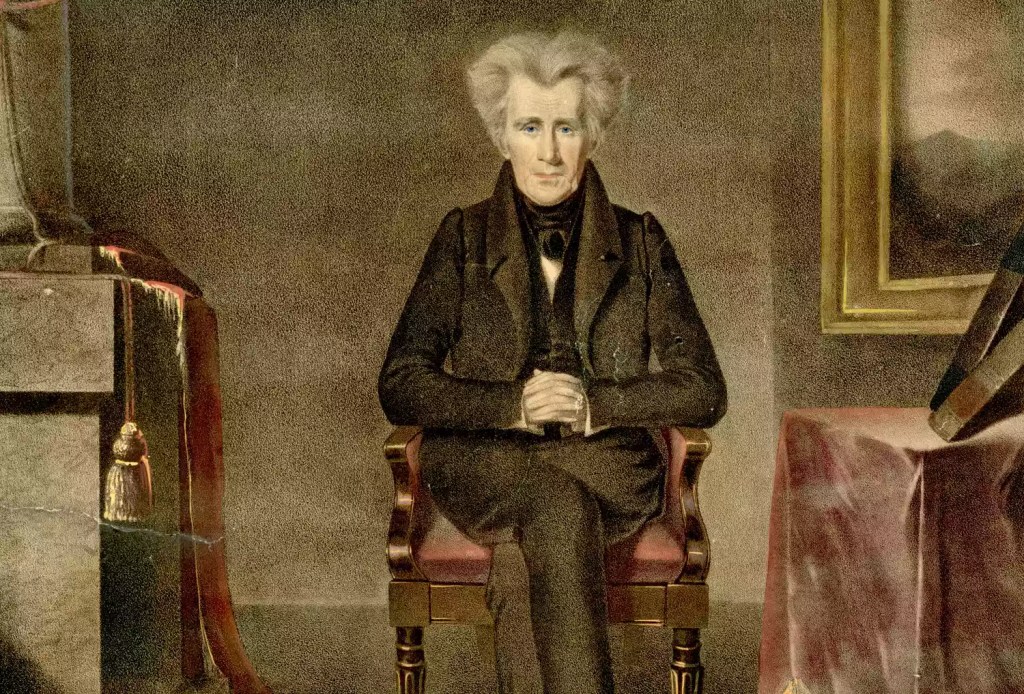
Andrew Jackson Not all would be doom and gloom however, as projects like the Erie Canal will allow far faster trade amongst our states. In addition, there are fascinating new inventions being produced by some of the brightest minds of the era, such as the steam locomotive on railroads and the steam ship. How these wondrous vehicles work is that you have a metal chamber filled mostly with water around a smaller waterproofed chamber within, albeit with an air supply so you can burn within it. By fueling a fire inside this smaller chamber with either wood or coal, you create steam within the larger tank and that pressure is transferred through pipes to pistons. These pistons then drive large mechanical arms which are then use to move the machines, whether the wheels on rails or paddle wheels on the ships. No longer are we so tied to nature’s whims, be that the exhaustion of horses or the winds of the sea.

Aaron Manby (Iron steamship made in 1822) 
The Stourbridge Lion
(first commercially used locomotive in the United States) -
HIST 311 American Studies I: Topic 6: Impacts On American Culture during the 1700s
When it comes to impacts on American Culture, one of the first prominent impacts was the French and Indian War/7 Years War. In that conflict, the British and the French fought hard not only in North America but across the globe in something akin to a world war. The victory of the British secured its holdings in North America and forced France to give away its territorial claims up to the Mississippi River.
Next big change came with the taxation by Britain, with there being no representation for the colonies in Parliament and complete switch-up from how trade relations had been conducted beforehand. These Acts, such as the more recognizable Stamp and Tea Acts, caused intense outrage among colonial citizens, resulting in acts of civil unrest, like the tragedy of the Boston Massacre or the organized destruction of tea by the Sons of Liberty known as the Boston Tea party.

Boston Tea Party This led into the next major event that shaped American culture which was the Revolution itself, which established a constitutional republic. It also started the trend of America fighting to get what it needs or wants, for better or worse. As a newly independent nation, the United States would have to make internal compromises to maintain stability, even if they went against the principals of freedom that fueled the revolution, such as on slavery. It was believed by most that it would die out eventually, but the founders were sorely mistaken. Also, without an empire to dictate charters or boundaries, the United States would begin to expand its territory into the lands once guaranteed to native tribes, a pattern that would prove disastrous for the Native Americans in the coming century.
Not all was doom and gloom however, for with the new government came a lack of traditional aristocracy, allowing for a somewhat less stratified culture (at least for whites), especially when those who sought power had to rely upon the common man. There was still much to be done however over the next two centuries before representation extended to all.
-
HIST 311 American Studies I: Topic 5: When Revolution Became Inevitable
The point at which the American Revolutionary War became inevitable had to have been when the British carried out the plan to march from Boston to seize the militia storehouses in Lexington and Concord. Before that point, tension had definitely been on the rise for the past decade. The multiple acts levied by British Parliament and King George III that brought down new taxes, acts of defiance by the colonists such as the Boston Tea Party, the resentment many felt due to a lack of representation, the petitions sent that were never acknowledged, the violence of the Boston Massacre, and the revoking of New England’s charter putting under direct British rule; all of these things added up to create a hefty, trailing powder keg.
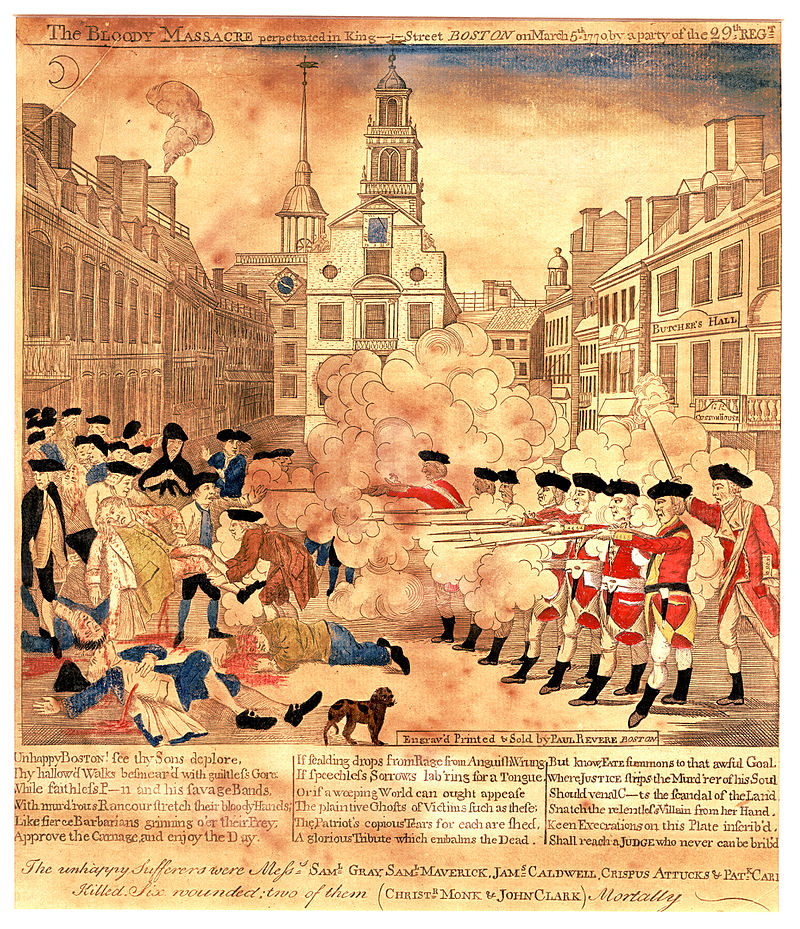
The Boston Massacre Given all of these factors, revolution was highly likely, but if different actions were taken, in particular by the government in London, things might very well have ended differently. A substantial concession from parliament, such as political representation in the government, or at least the beginning of a genuine dialogue between them and the Second Continental Congress, which was set to convene at Philadelphia merely days after the war began, would have left the revolution without steam.
Alas, peace was not to be. On April 19, 1775, the British regulars marched their way out of Boston, with men like Paul Revere rousing the minutemen to arms, first shots rang out of an eight year long war. Against all odds, the largest empire on Earth would be defeated by their former colony with the eventual direct aid of their main rival, forever changing the course of world history.
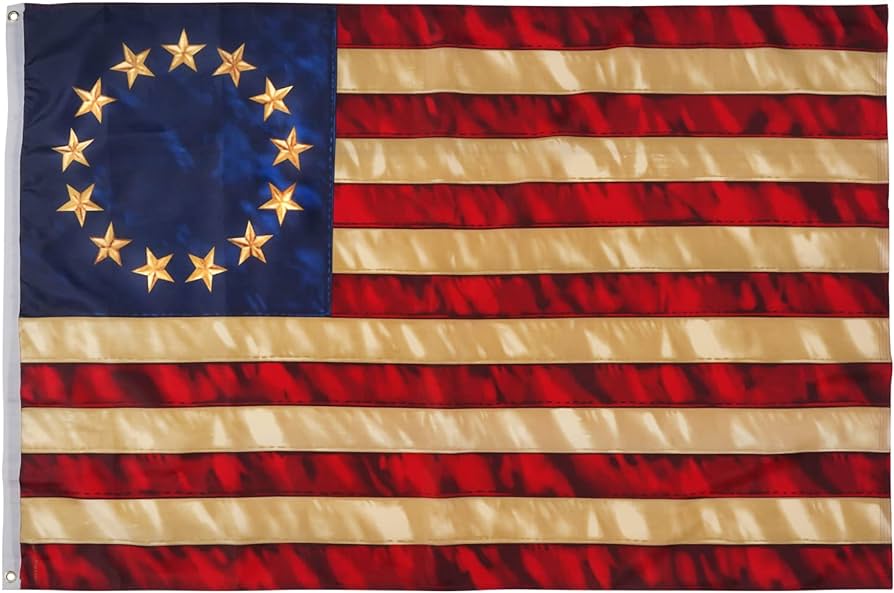
-
HIST 311 American Studies I: Topic 4: Ranking the Impacts
Out of the subjects of religion, science, war, and law, it is difficult to narrow down what has been most impactful to the United States. This list will consist of my opinions, from least to greatest.
I would say that religion ranks as the least impactful, although it has been important in shaping the way both good and evil people who believe have operated in this country’s history. You have the inspiring and revered devout like the abolitionist John Brown and Reverend Martin Luther King. You also have the morally dubious, like Billy Graham and the various cults that have cropped up in US history.
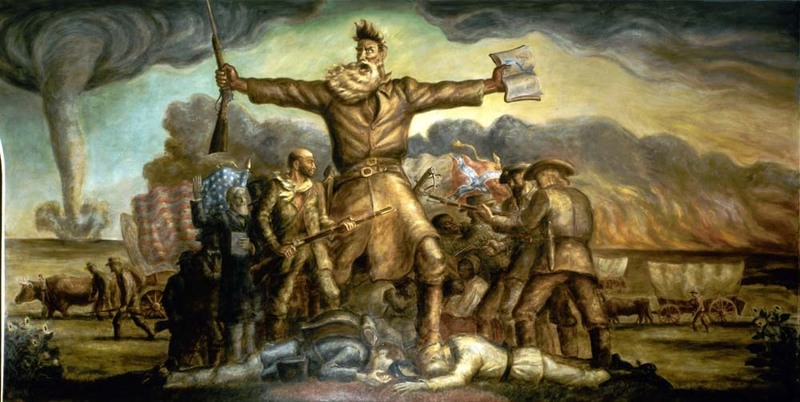
John Brown The realm of science ranks higher due to the various inventions/innovations achieved in the United States. Our achievements with flight alone have been astounding, from the Wright Brothers’ first flight to breaking the sound barrier. It has also been over fifty years and no other nation has yet to land humans on another celestial body.
The Moon Landing In matters of law, this has been the second most impactful aspect that shaped America. The formation of laws by elected officials, who are empowered by the consent of the governed, has been a will hopefully forever remain the cornerstone of our republic. The court cases that decided law enforcement procedures, the specifics of civil rights, the standards of ethical research, and that simply justice for everyday people have become ingrained into the fabric of our nation. The execution of the law, while definitely not perfect, is still something crucial to how the US continues to operate.
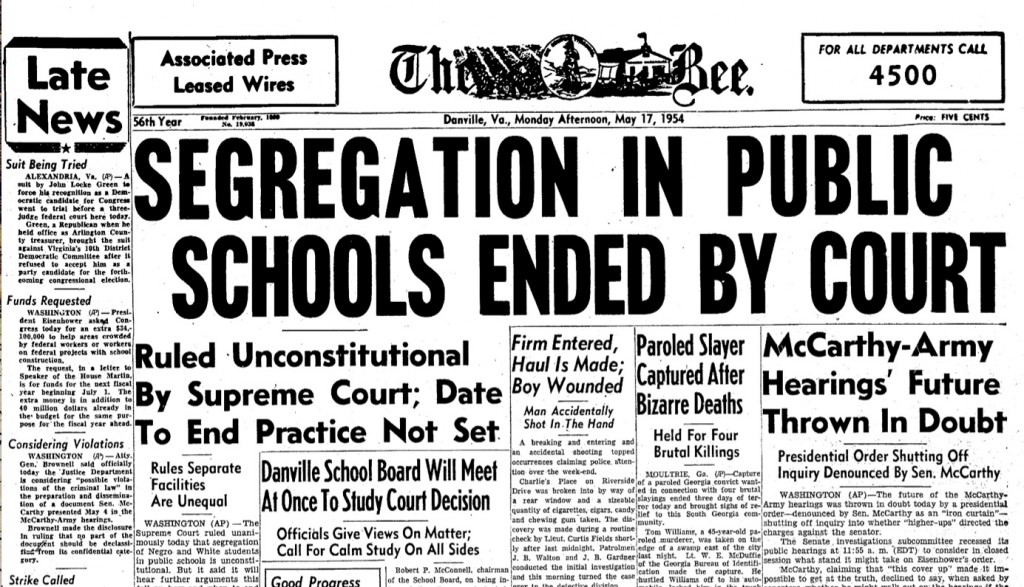
Brown vs Board of Education War has by far been the most impactful aspect of America’s identity. We won our independence through conflict, we protected our shipping through conflict, but we destroyed countless tribes, halved Mexico, conquered millions of square miles, lost ourselves in a distant jungle, and wasted years in the desert through conflict. We did however grow through conflict, starting when we successfully fought to end slavery. When faced with a foe that made us seriously reconsider how we viewed ourselves, we fought and won against the Nazis and other fascist powers. When faced with nuclear annihilation, we When a far off nation called Kuwait was invaded by Iraq in 1991, we conducted arguably the greatest military campaign in human history and won. Our weapons, from the Gatling gun, to the atomic bomb, to stealth aircraft have time and again reshaped warfare on the global stage. We are as of right now the most powerful military to ever exist in human history, tempered and kept sharp, but answerable and reliant upon a civilian government. That is why out of these four concepts, war has shaped America the most.
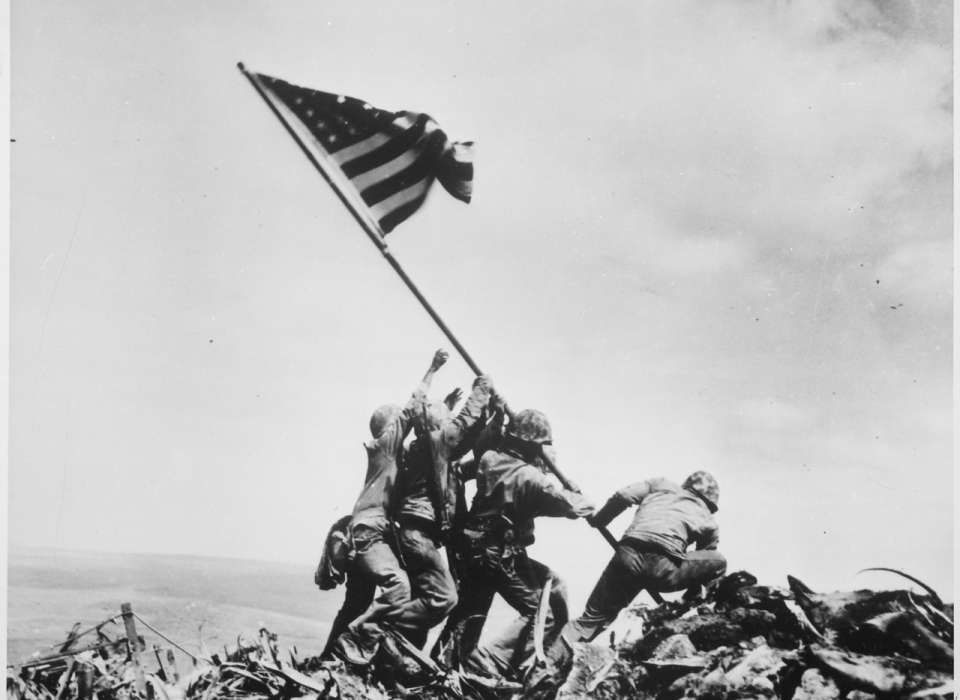
Marine Corps raising the flag during The WWII Battle of Iwo Jima -
HIST 311 American Studies I: Topic 3: To be around in the 1720s
In order to form an idea as to what would have probably been my concerns in the 1720s, its must be recognized that the worries of the rich would be somewhat different than those of the poor. For the sake of simplicity, the area will be narrowed down to the area of England, and/or the British Colonies in North America.
If I was living in the 1720s my main worries would start the basic necessities of shelter, clothing, and especially getting enough food to eat and stocked up for the harsh winter months. In the American Colonies and outside of cities this was an absolute necessity, where farming was a way of life for the vast majority of the population before the widespread adoption of the potato and improved farming methods in later centuries.
If I were poor but a tradesman my main concern would be improving my craft to make better money than the competition, and hopefully catch the eye of a enough well-to-do customers to garner a positive reputation. If all goes well I acquire a rich benefactor that allows me to hire more employees and advance my status as much as possible given the time period. Then I would have luxury of becoming literate enough to learn about the wider world, science and history in detail.
If I had the privilege to be rich in the 1720s, my main concerns would be to stay updated with the latest Enlightenment thinking, keep aware of the latest trends but not indulge, and perhaps involve myself in the affairs of my country’s destiny.

The Enlightenment The recent South Sea Bubble would also play a major role in financial concerns. The proto-Ponzi scheme rocked the British Economy and led to what is believed to be the world’s first financial crash.
-
HIST 311 American Studies I: Topic 2: Impacts
In regards to history, actions by people tends to have an impact on the area around them, leaving traces, be it from flint shards and bone flutes in caves to rusted weapons buried in desert sands. The impacts can also be cultural, and so we shall focus upon the impacts left on American Culture by the events of the 1500s/1600s.
For starters, the Spanish never setting up permanent colonies further up along the east coast of North America left the area open to eventual colonization by a great many other European nations, and in particular the rising power of England. In the 1600s, religious tensions boiled over in Europe, and there were groups like the dogmatic Puritans and tolerant Quakers who left their native soil to find their place in the ‘New World,’ that being the New England and Mid-Atlantic regions respectively. Meanwhile, the English crown sought to expand its power and agricultural output in the Virginia colony down south. The event in the north lead to religious diversity being established, and the labor needed for Virginia led to an increase in slavery.
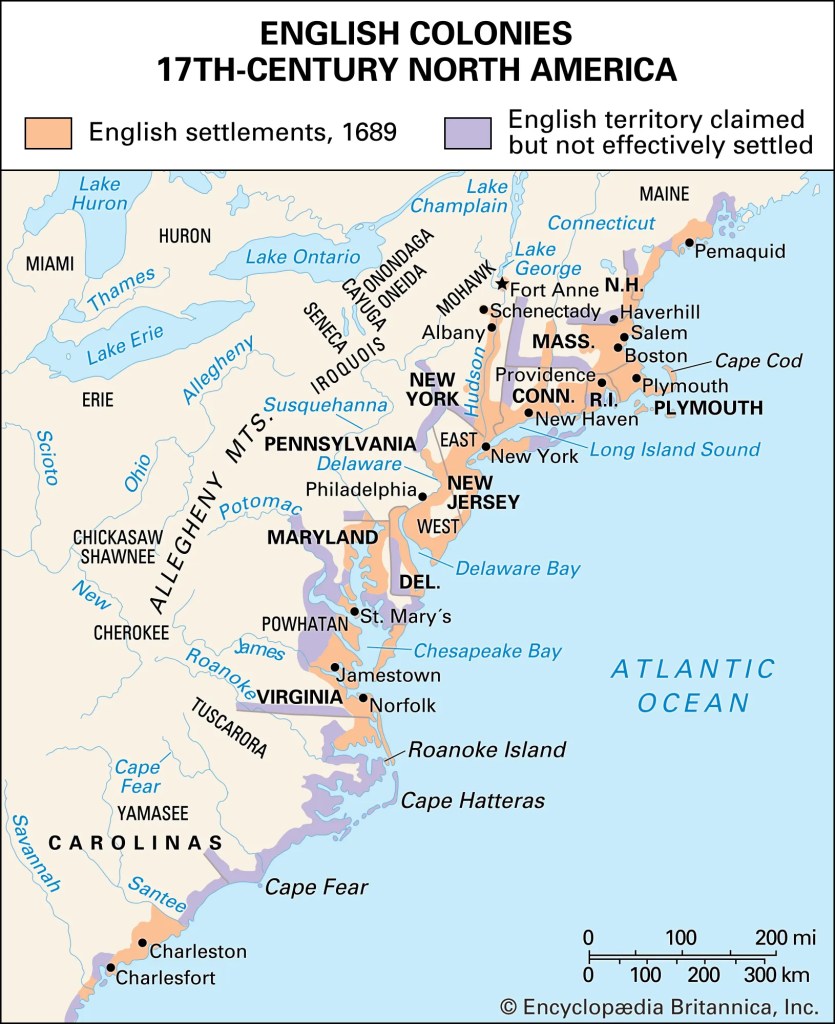
The wars, such as King Philips War, between the Native American nations and the newcomers established an unfortunately hostile precedent, one that would lead to centuries of bloody conquest, imperialistic expansion, and the complete or near erasure of native cultures.
On a brighter note, the pre-/early Enlightenment Period brought about new ways of political and philosophical thinking such as the works of the pessimistic Hobbes and the optimistic Locke. It was in fact Locke’s words about “Life, liberty, and property,” which Thomas Jefferson paraphrased when writing the Declaration of Independence a century later.
(These are simply some of the major events from that time that impacts America today, and is by no means and exhaustive list. There is far more to dive into that is beyond the scope of this blog.)
-
HIST 311 American Studies I: Topic 1: Legacies
In centuries past the Delaware River was inhabited by a people known as the Lenape. In the 1600s the Swedes and Finns arrived in the area, bringing along what one would expect of Europeans: their ideas, items and illnesses. Despite these newcomers and the on-and-off Dutch presence, the area found itself in a state of not only relative peace but that of cooperation and even some integration.
Things changed when the English came into prominence in in the later part of the 1600s, and would continue to do so until the identities of these peoples and cultures had all but faded from memory. However, their presence has remained as part of the landscape, the places, and even the symbols of locations, even if indirectly.For example, in Pennsylvania the Swedesford Road, which runs from the area of King of Prussia down to Exton, pays homage to an actual swede who, in the early 1700s, established a rope ford by which to ferry goods across a body of water. Speaking of which, the Schuylkill River derives its name from the Dutch, meaning “Skulking Creek.”
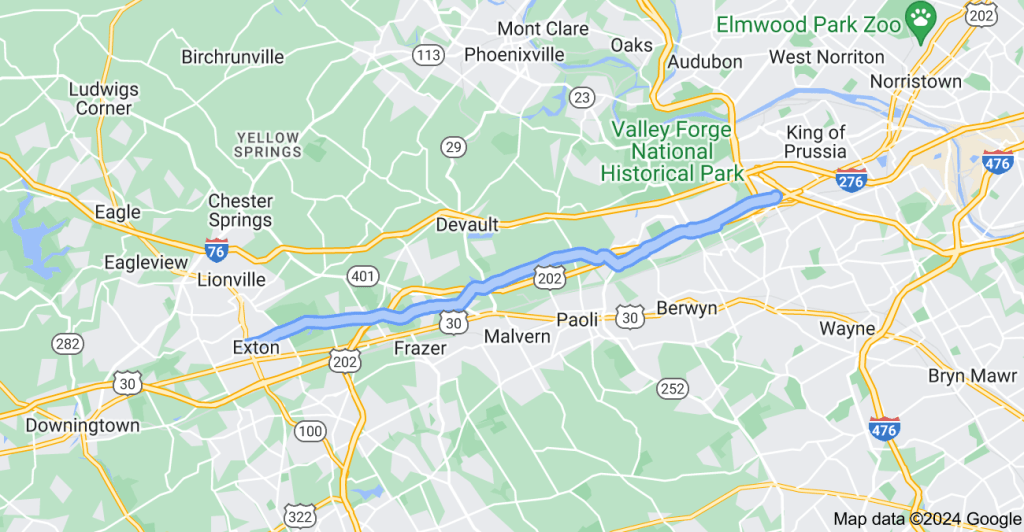
“Swedesford road” 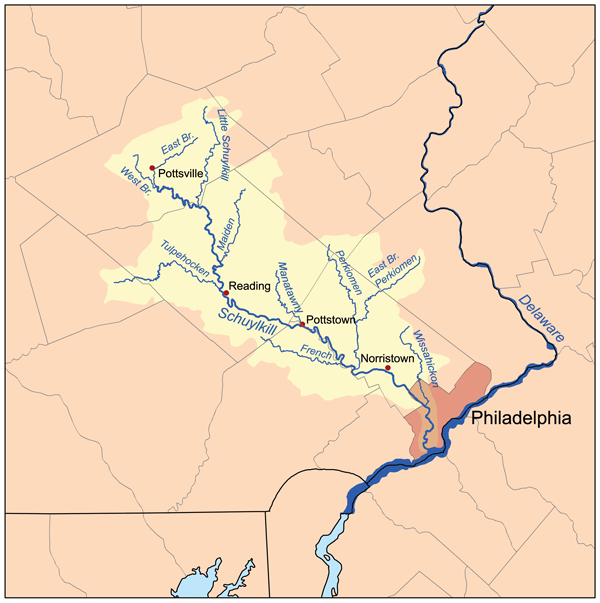
“The Schuylkill River and tributaries” The mighty Susquehanna River still bears the name of the people who once lived along its banks, as does the town and pike of Paoli, and the town of Conshohoken. (Funnily, a coincidental nod to the Swedish history of the area can be seen in the flag of the town/city of West Chester.)

“Flag of West Chester, PA” The greatest legacy however of all these people groups is that this area has continually served as a melting/stew pot of every race and culture that has come to the area. The area was not and has not been a utopia by any stretch of the imagination since the time of the Swedes, Dutch, Lenapes and Finns, but the area of Southeastern Pennsylvania can be seen as honoring the old traditions by serving as a steady home to so many different peoples centuries later.

-
Subscribe
Subscribed
Already have a WordPress.com account? Log in now.
 World Civ 1 SLy