-
HIST 200 Big Four History Tour: Am Rev Museum (Blog 2)
Of all the things I expected to find out from a museum about the American Revolution, I did not expect to find out about early US voting rights for women. I was under the impression that the suffrage movement began in earnest in the 19th century, and before that time women had no ability to vote in elections. I absolutely did not expect to find out that New Jersey’s State Constitution allowed not only women, elite or not, but also free people of color to vote in its elections.
This struggle to bring about representation could be best represented in the disagreements between Abigail and John Adams, with Abigail clearly having the foresight to recognize the similar struggle of not just the women but of the other disenfranchised groups in America. In a rather disappointing turn, John Adams responded with misogynistic remarks such as, “we know better than to repeal our masculine systems.”
So one must wonder how during this time such a unique voting climate came to exist. One must look at the regions, where as New England and the South were rather insular and homogeneous, the Mid-Atlantic region of New York, Pennsylvania, and New Jersey were very mixed in terms of people groups. This mixing did cause some amounts of tension, and not everything was perfect, but it resulted in a more accepting culture when it came to others. Pennsylvania was in fact the first state to pass a gradual emancipation law, and its Quakers would later find themselves at the forefront of abolition in the coming decades.
It’s then not a surprise to find that New Jersey’s voting laws were considerably more relaxed than that of its contemporaries, essentially requiring land ownership to qualify as a voter, and from 1776 to 1807 this was the case.
Unfortunately, there arose opposition to the inclusiveness of the vote, suspicion over foreign voters (from other states or overseas), and distaste for votes from still enslaved people; these thoughts making their way into the minds of many. These thoughts however were not the only reasons, and there appear to be five main points: the rise of partisan politics, regional diffences over views on slavery, voter intimidation at the polls, as mentioned before the fear of foreign influence, and “backlash” over women making political gains.
So, in 1807 women lost the vote in New Jersey, and for over a century they would struggle to get it back not just in their state, but nationwide. This exhibit adds great weight to the cause of voting rights for all, because just as enfranchisement has happened in American history, so has disenfranchisement as well. We must therefore do our best to retain our rights, or fearmongers and hateful beings will eagerly consolidate power by stripping it away.
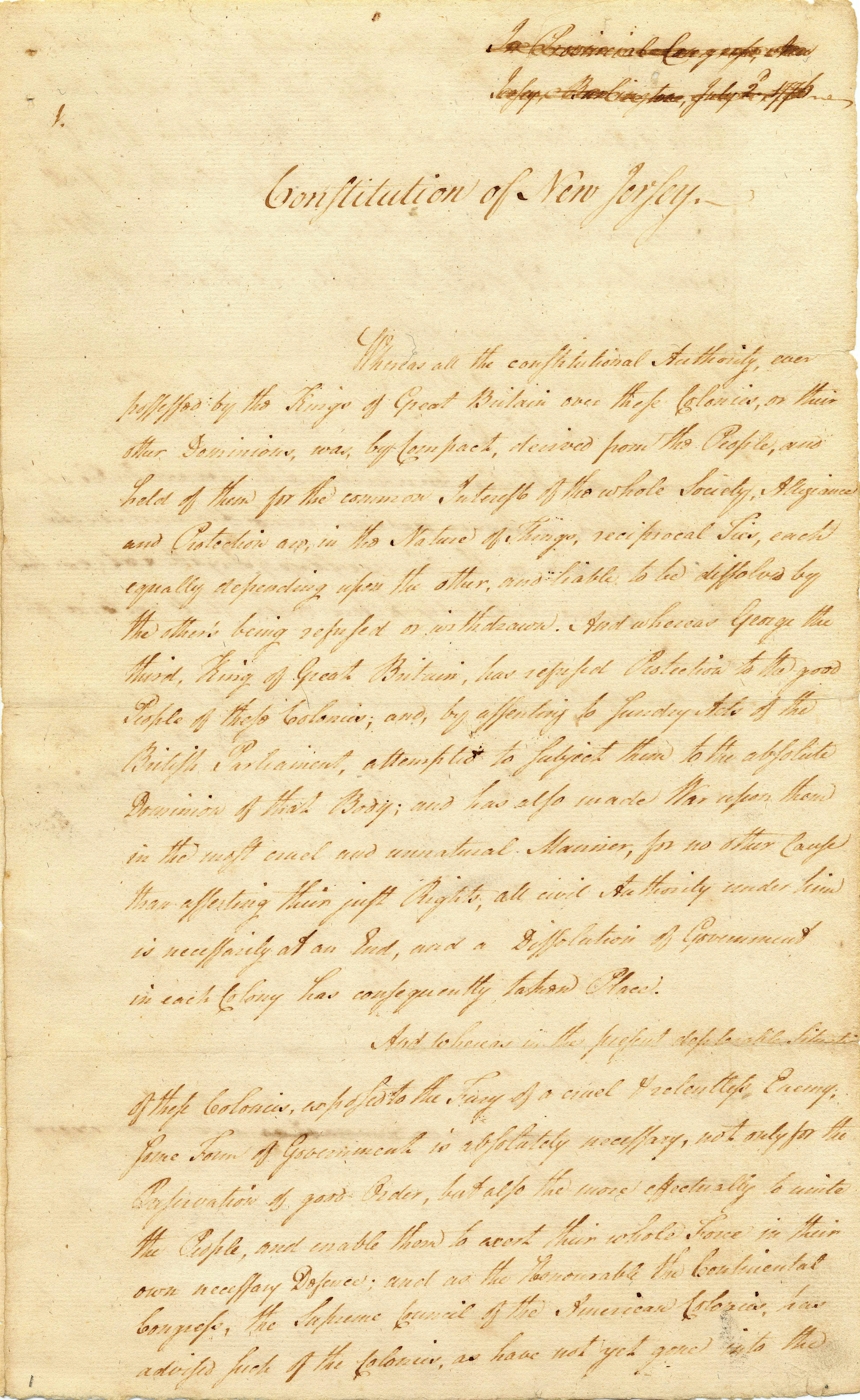
“Front page of New Jersey’s 1776 Constitution” -
HIST 200 Big Four History Tour: President’s House (Blog 1)
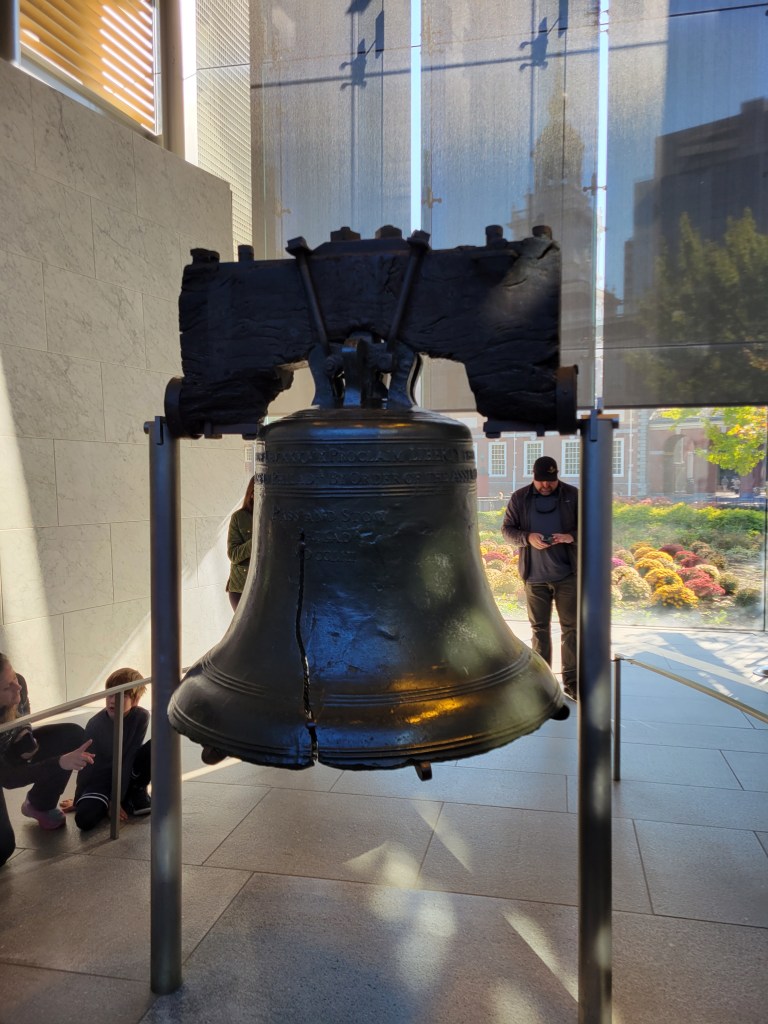
I remember when I was in elementary school and we took a field trip to Philadelphia. I believe I traveled to the historic center before when I was younger, but the timeline is hard to recall, and most trips I do remember consisted of heading to the airport or South Philly. It was essentially a new experience for me, and of the several places we went, the trip to the Liberty Bell site was quite memorable for the fact I got to sneak a touch of the bell. What I didn’t remember however was the exhibit on the President’s House.
It wasn’t something I paid much attention to, I just remember seeing some ruins and thinking “huh, neat…” and then moving on. I only found out it was the site of the first presidential house years later, and the full story behind the new information center and historical preservation of the site just in the last few months.
It certainly changed how I viewed the site and overall area, with it showing a famous symbol of the aspirations of our republic and the rather symbolically buried dark side to it all. It’s fascinating, and a bit sad, to see such a flawed side of a historic figure so revered and essential to our nation’s existence through the eyes of someone Mr. Washington owned.
The history wasn’t the only thing that was interesting about the site; the way the site managed to be constructed and present history in a more honest and less pro patria manner was a story in of itself. I enjoyed the grassroots movements that led to a site that glorifies our nation’s ideals and casts light on the shadows we might otherwise ignore, for the perception of our nation’s story varies greatly between peoples, and taking steps to include their perspectives gives us a better rounded view of ourselves.
Now when I look at historic Philadelphia, it still fills me with pride to see these symbols of our nation’s founding, but these feelings are tempered by the bitter reality of those years past, and the words ‘there is more work to be done’ ring loud like a bell.
-
HIST 200 Big Four History Tour: Independence Seaport (Blog 5)
I first saw the Olympia while passing by in my youth; I thought it was a beautifully painted ship. When I later saw the Olympia as a teenager I thought of it as an old steam-powered warship with an impressive array of guns. Then as an adult I found out about her service in the Spanish-American War, and relation to the infamous USS Maine, her sister ship; I could begin to appreciate this historic vessel.
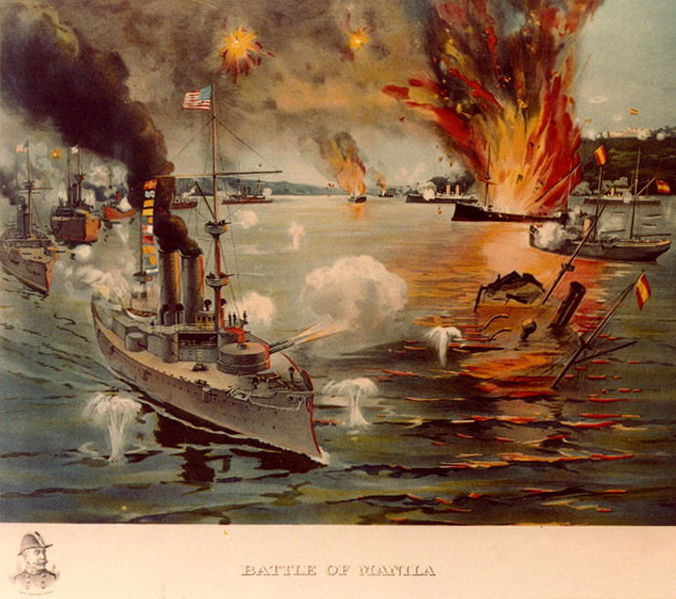
Now I have just recently had the privileged to tour USS Olympia, and my opinions of this ship have shifted once more. This vessel seems like part hotel, part fortress, and it brought me back to a phrase I read once about boats of the era: “when hotels [went] to war.” She had many plaques and bit of information hanging on her various decks talking of her service, but given what I just had to read for my history class, those small bit didn’t do what is arguably her most important role justice.
I read this warship served not only as the flagship of the US fleet at Manila, served again during the First World War (albeit in a diminished capacity), but that she also carried an invaluable cargo on her deck from Europe to the United States; the body of the American Unknown Soldier.
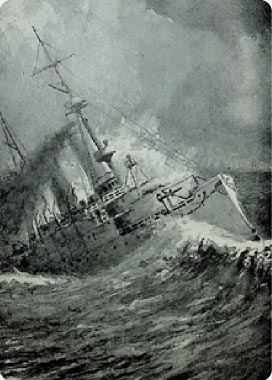
“Painting of the Olympia Crossing with the Unknown Soldier Aboard” This distinguished and solemn honor is something few machines or crews ever had the privilege of carrying out. Whats more shocking is that she performed this while being battered by two hurricanes, tossed around and listing uncomfortably close to capsizing during the worst of it. Despite all that was thrown at Olympia and her crew, they successfully made it home and completed the mission.
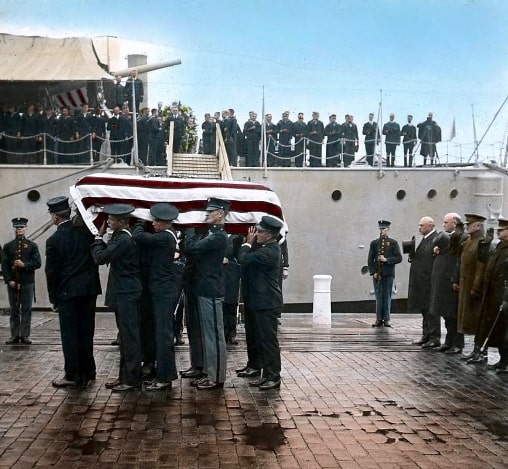
“Olympia unloading the Unknown Soldier at the Washington Navy Yard, Nov. 9, 1921, Washington, DC.” With all this now known, it is clear that USS Olympia is one of the most historically important vessels in US history, and I’m grateful to have had the opportunity to walk her decks.
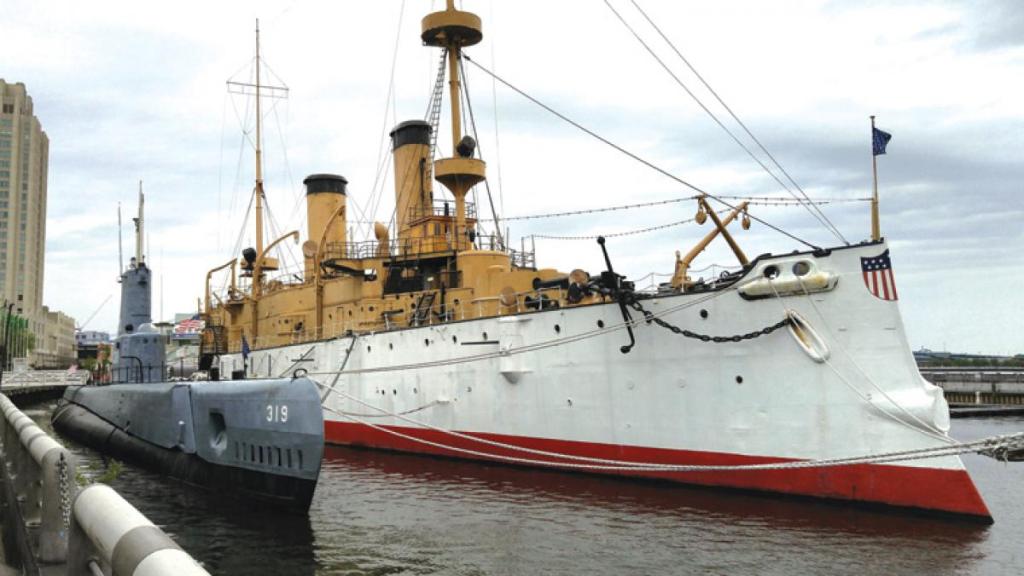
“USS Olympia today, moored at Independence Seaport, Philadelphia”
-
HC: Islands of History: Dealing with Non-Western Histories
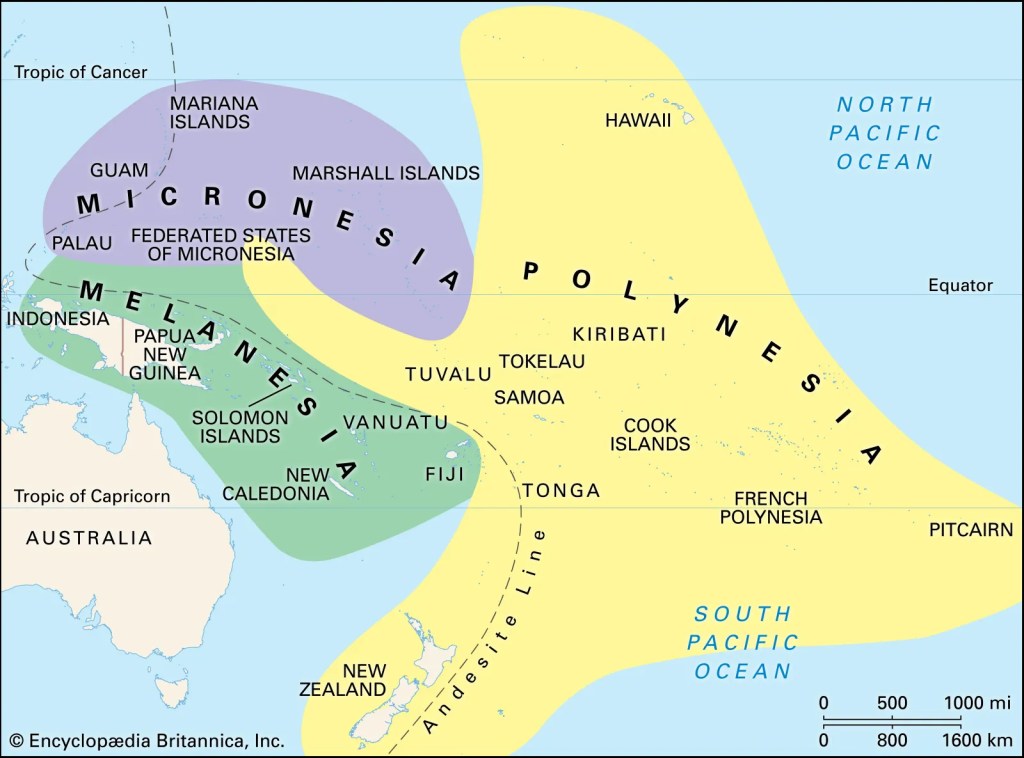
In the book Islands of History the authors utilize a more anthropological record to record the stories of various Pacific island peoples, such as the Tongans, Fijians, Maori, and Hawaiians.
Unlike other contemporary cultures and societies, the Polynesians (and Melanesians such as Fiji) did not develop a writing system that historians could analyze. With this predicament, the study of their mythology and culture would provide anthropologists a greater opportunity to extrapolate data for study.
It takes a different mindset for this kind of work, for in the realm of history we are taught to rely upon written sources, and for many cultures, such as the Chinese, the Kyivan-Rus, or the Romans, we find a plethora of knowledge in what they wrote. In cultures without this feature, it is up to those who know how to study people and the stories they tell to one another.
If one is to understand a culture one must look at its art, customs, and legends. In the case of Hawaiians there seems to be a strong association with sex, innuendos, double entendres, and suggestiveness in their art and poems. One can draw a line back to their creation myths such as the one which contains the origins of mankind in a love triangle between man, god and woman.
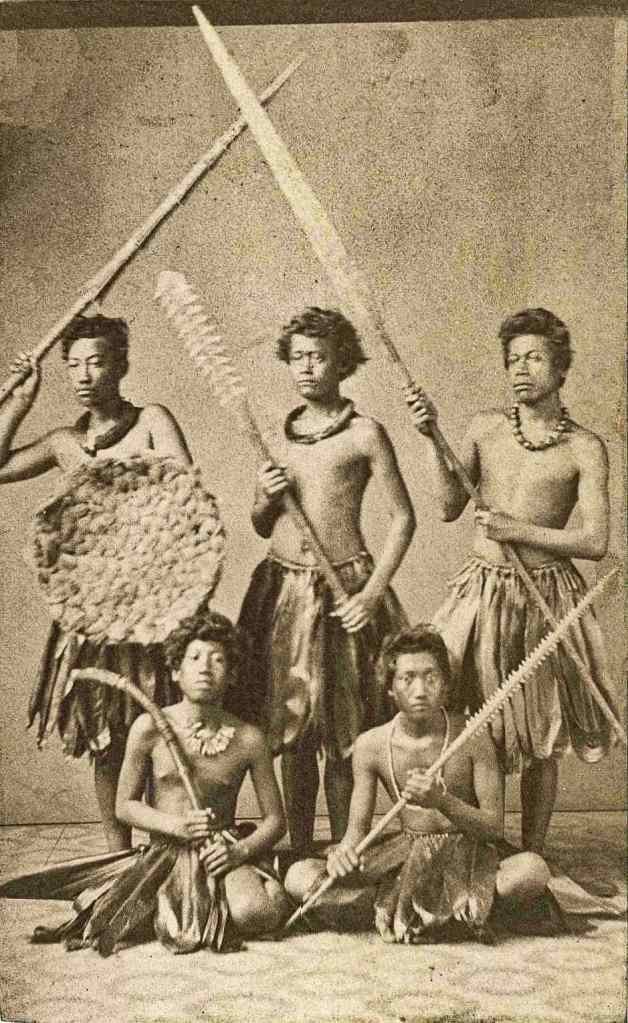
Native Hawaiians For New Zealand’s (Aotearoa’s) Maori culture, the sweet potato in legends is considered to be a divine entity. That is why the Maori cook it, to strip it of its divine nature, its fertility. It also establishes a unique power dynamic in contrast to the one found in western myths and faiths, where in gods are revered or respected; meanwhile the Maori assert themselves over gods.
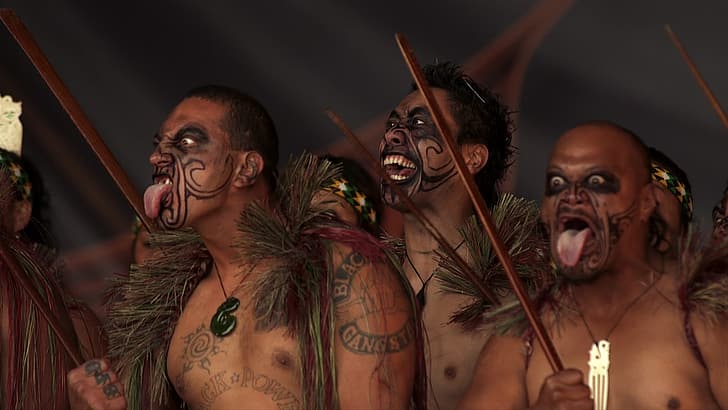
Maori Warriors -
HC: The Return of Martin Guerre, and Dealing with sources
Whenever historical events are recounted one of the perpetual problems that plagues historians is finding sources. With wars and battle it is actually far easier, as logistics, casualties and status reports must be made to inform the leadership. When records are made of individuals throughout history, and across many cultures, those remembered are likely to have had the ability to record their experiences, had some form of monument made in their honor, or the money to pay for a scholar(s) who could write. When it comes to lives of everyday people, especially those of lower social status, it is far harder to ascertain information about them.
Therefore it is crucial for historians to not solely rely on written accounts. That is where oral traditions and statistical records come into play. In places where a large portion of the population could not write, it was essential for those who could write or memorize events to pass down their knowledge to future generations, both for financial and cultural purposes. For instance, in the book Myne Owne Ground there is a decent portion dedicated to a man named Anthony Johnson, not a poor peasant by any stretch but nonetheless a man history might have forgotten. While many details of his personal life and inner thoughts are lost to us, the court records of financial transactions and civil disputes allots us some information into his life. In cases like this another important source of data is the local church records, as they give us another window into the lives of the less notable; crucial clues as to when a family may have be founded, arrived, lived, left, or died off.
As for the oral traditions, the town of Artigat tells to this the day the story of Pansette, Martin and Bertrande, and while the retellings may have their own unique spin the underlying beats remain the same. It is through a combination of these things that historians are able to intelligently infer about events of the past. The case of the fake Martin Guerre is a fortunate case where a somewhat reliable narrator in the form of Jean de Coras wrote down the events of the trial, and in turn the personal story of a 16th century peasant, and those associated, who may have otherwise faded into obscurity like so many others.
-
HC: The Return of Martin Guerre, the film
When reading The Return of Martin Guerre it was somewhat difficult to accurately imagine what life looked like at the time. Most depictions of peasant life in the late medieval/renaissance period show a people who are typically poor, dirty, diseased and miserable, be it in comedic parody or Hollywood dramas.

“Peasants in Monty Python and The Holy Grail” I will be honest in saying that my first experience with this story did not come from the book but the French 1982 movie. I knew the general premise from class, but being that my main area of interest in regards to history is from the enlightenment to the present, the lives of peasants seemed pretty uninteresting to me. Had I read the book first I would have needed to remind myself that this was during the Renaissance, for such was my prejudice. I expected uneducated and religiously adherent people, and while that was true to some extent, there was a surprising amount of nuance. The village of Artigat is a lovely rural setting. The people, dirty from their hard labor, are not filthy or necessarily unkempt. Their faith, while far more prominent given the time period, hasn’t wiped away some old traditions. They may not have be knowledgeable of matters on the macro scale, but were plenty well versed in things that mattered in their own society such as property rights and even legal codes.
Over all, the greatest thing that the film adds is the ability to see these people as they might have lived, worked and interacted with one another. To see the lives of these people play out in the background of the main plot enriches the whole experience of this bizarre tale, and draws you into the world Martin Guerre, Bertrande, and Arnaud once lived in.
-
HC: Myne Owne Ground
Before reading this novel I figured that racial relations in the British Colonies and the later United States had always been poor. The common perception is that life for blacks in the United States started of as a system of persecution and slavery; one that did not go away until the American Civil War, and even then there was a century long struggle to gain equal protections and privileges under the law. In Myne Owne Ground however the truth appears far stranger and more nuanced than what is normally thought.
On the Eastern Shore, the detached peninsula of the modern U.S. state of Virginia, there were blacks who would not only gain their freedom from servitude, but even find success in establishing themselves in the middle of the 1600s. Fascinatingly still was the records left behind from the county courts, where not only were their financial assets made available to us, but their records of marriages and conduct as well.
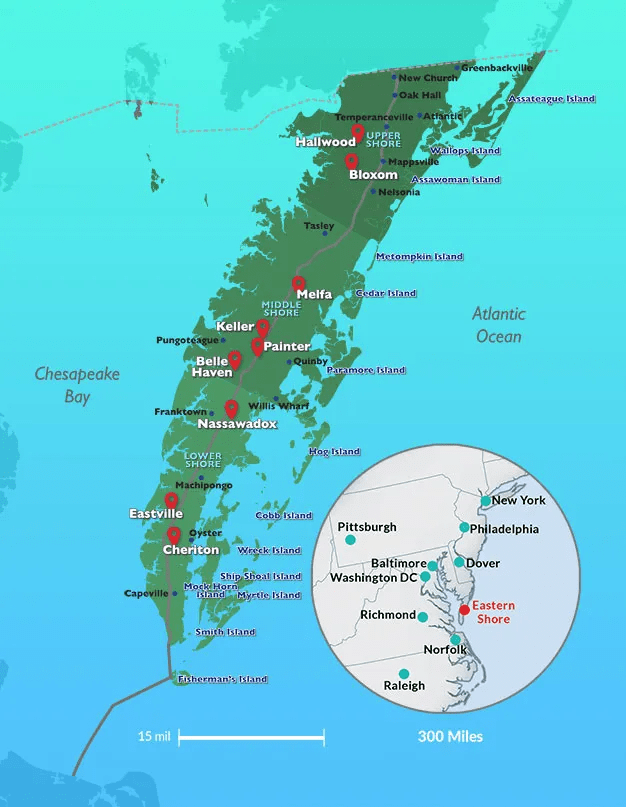
They owned land, made profit, interacted with the surrounding community, got married, raised families, went to court, won cases, and yes, even owned slaves. Such was the case with Anthony Johnson, an African-born who rose up to become an influential figure with his estate on the Pungoteague Creek. One should know that indentured servitude was not as racialized as it would become in the over the next few decades and onward. Another surprising find was that Francis Payne, another free black, was able to get married to a white woman name Aymey and even include her in his will with affectionate language.
Unfortunately, despite all their best efforts, the society that allowed these unique individuals to achieve success, to set aside enough assets to distribute inheritance to their children, would morph into one that targeted them as subservient, subhuman beings. But nonetheless, the story of the free blacks of the Eastern Shore should be known, for it enriches the overall narrative of being black in America, showing that even with all the caveats of 17th century life, mixed race societies could exist on our shores.
-
ASII: The 1990s and the 2000s: A Retrospective
The 1990s could be seen as the calm before the storm of the 2000s.
In the 1990s there were millions looking forward to the new millenia, and it was a time of internal focus in the United States as opposed to recent decades. It’s odd to think about how we look back a Bill Clinton’s legacy and there is little to be said except in regards to his affair with Monica Lewinsky. The economy may not have been doing amazing but it wasn’t bad. There had been innovations in computer science and now more people than ever had access to the World Wide Web, for better or worse. There was an air of unspoken, light optimism.

The 2000s changed everything. On September 11, 2001 a group of around 20 Islamic extremists boarded commercial planes with the intent to hijack. It was on that morning that they flew those aircraft into the twin towers of the World Trade Center , the Pentagon, and due to the bravery of the passengers of the fourth plane, into a field outside Shanksville, PA. The sense of optimism and security of the 90s was shattered in an instant, and the nation for a while lived in fear and wanted revenge on those responsible. In retrospect invading Iraq and Afghanistan ended up being mistakes, but it seemed like a good idea at the time, and there were plenty of freedom minded people who came out of those nations who exist today who might not have, but in all we just generated larger issues by making weak and dependent allies, not to mention countless insurgent groups.
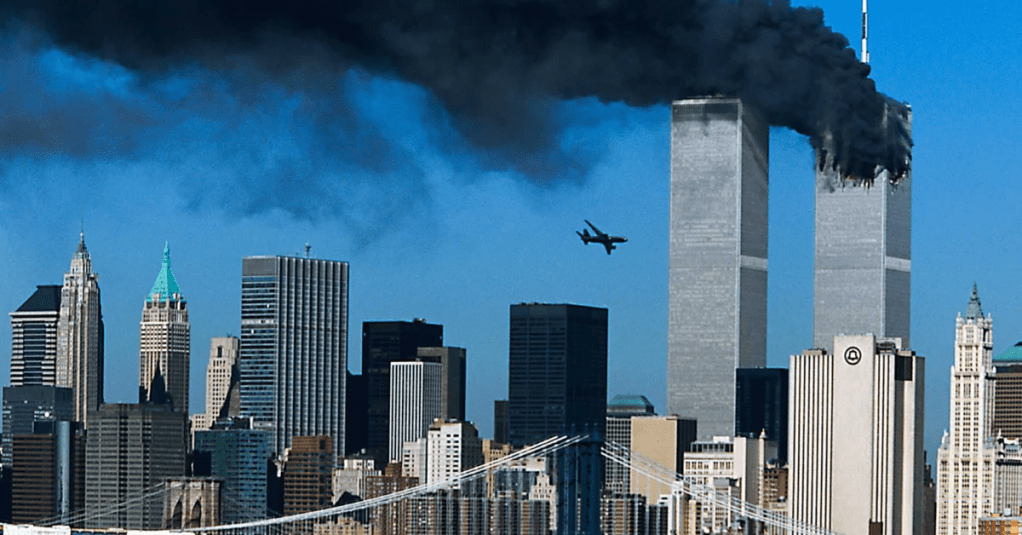
In regards to economics it got bad in 2008 when the recession hit, as it is something we are still dealing with its aftereffects to this day. People lost a lot of money and jobs, and its gotten pretty bad. I wish we could develop mass scale, mandatory, and paid job training programs for US citizens nationwide, but there would be undoubtedly pushback. And even if we had a skilled labor force, its not like companies would bother to hire us, as their CEOs and shareholders want to rake in all the cash and leave us with nothing but the bare minimum to buy their endless stream of poor-exploited products.
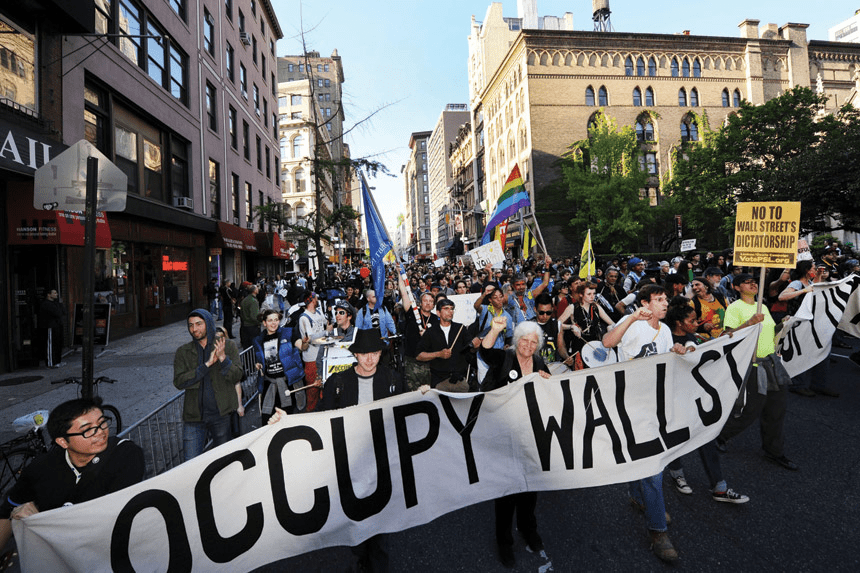
I was born in the 90s and grew up in the 2000s, and while I didn’t live in fear of these thing, I saw the toll they took on the adults in my life, and saw it reflected in the media I consumed. It seemed like the 2000s was dedicated to the theme of warfare, in movies, in TV shows, in the news, and especially in video games. I remember Call of Duty and Halo being all the rage, how me and my best friend John would pretend to be World War II soldiers, how I would watch Star Wars the Clone Wars every Friday night on Cartoon Network, and how there were always ads on TV for movies about soldiers in a desert environment when my parents were watching their programs. I worry things may return to this norm given current global affairs, but I will do my best to ensure my nephew gets a taste of peace in his life too.
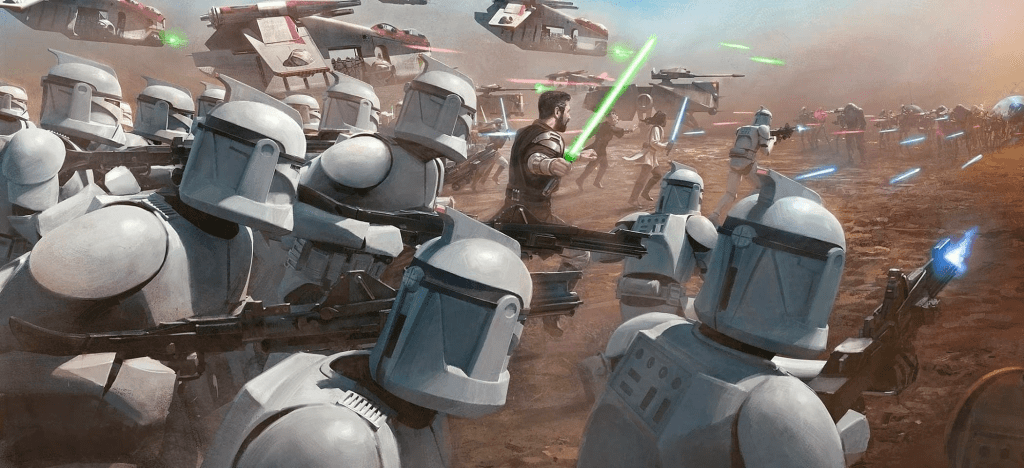
“Artist rendition of The Clone Wars” There is very little hope of things getting better in time to save this nation, but there is still a chance. Hope, cooperation, hard work and the resources to work with; that’s all we need. In the words of former President Barack Obama, “Yes We Can!”
-
ASII: Living in 2000
Times are good. The past decade has been a time of relative peace and moderate prosperity for the United States.
Never would have thought the Cold War would end so quickly and with relative calm. Glad the Russians were ready to give peace a chance after all that happened between us this past century. Shame that their country is in shambles at the moment, hope this doesn’t come back to bite us in the ass.
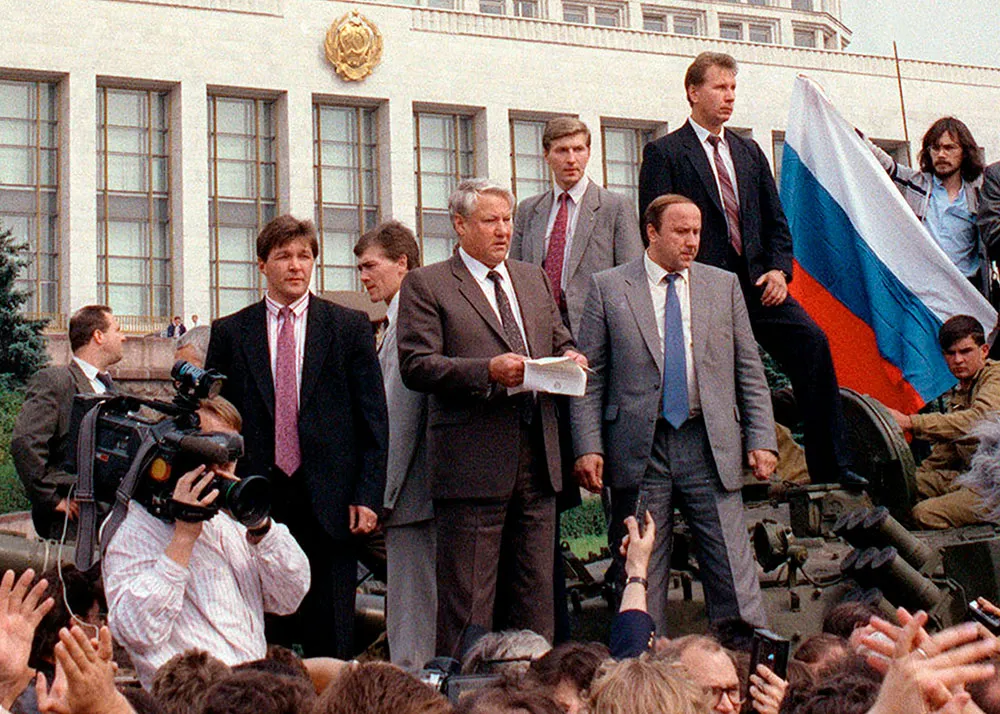
“The people of Russia opposing the pro-Soviet Coup in 1991” As for wars, the decade kicked off with some guy named Saddam (I think) in a nation called Iraq invading a smaller nation called Kuwait in the summer of 1990. The world was not happy about this, and a whole heap of them joined together to bring his army to heel. He didn’t back down, and a good deal of us expected something akin to Vietnam but in a desert, but Operation Desert Storm took only 2 months to complete. The guy had one of the largest armies in the world and the ground war only took 5 days before then-President Bush called a ceasefire. Kuwait got freed, our boys whooped a dictator, the whole thing brought the world closer together, all in all it was a positive experience as far as wars go.
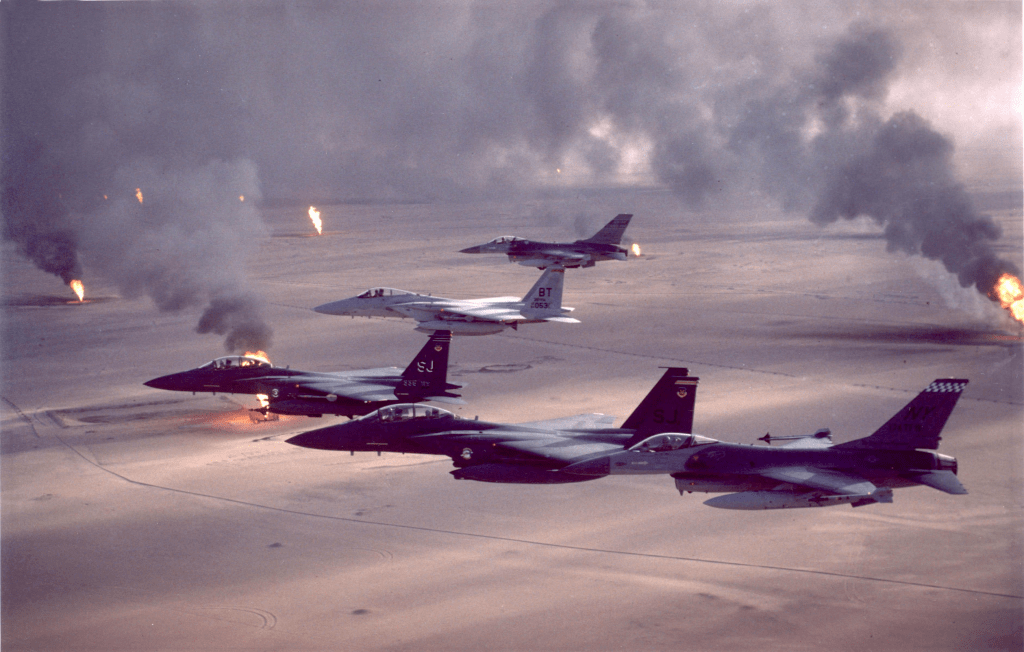
Operation Desert Storm At home not much happened except for some crazies doing bad things. Down in Waco, Texas some cult was in a standoff with the FBI, they set their building on fire and a bunch of children got killed. Then in Oklahoma City there was a guy who detonated a massive bomb and killed hundreds. In New York City another bomb went off at the World Trade Center. I hope these terrorists don’t become a massive problem in the future.
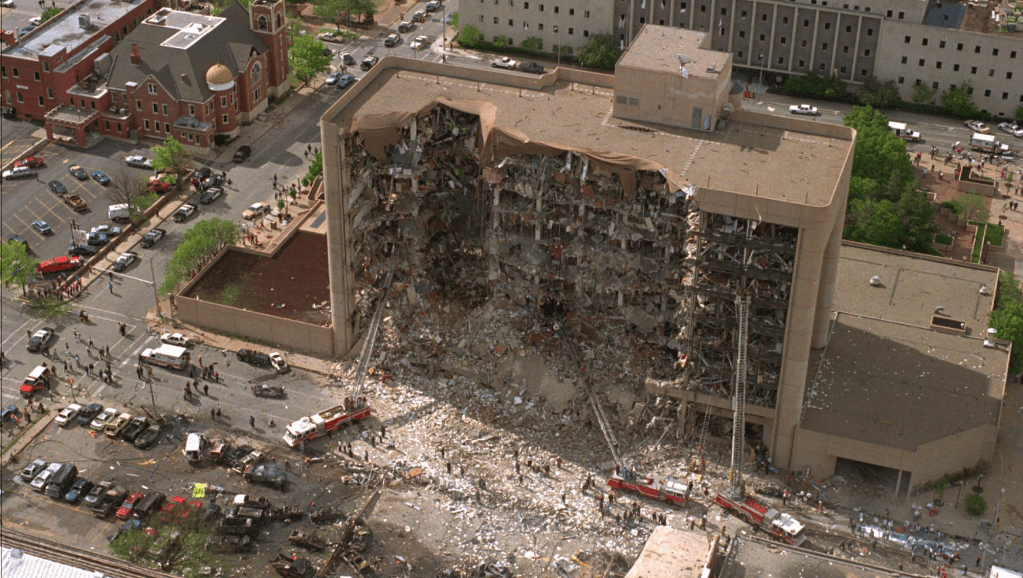
Oklahoma City Bombing On a lighter note it seems that hip-hop really took off in recent years, and while it’s not my preferred genre there are a few songs I quite enjoy. Expanding on media and leisure the amount of really good movies and shows seems to have diminished somewhat, but Band of Brothers was excellent. What has been a pleasant surprise however has been the realm of video games, with there being so many good ones created in the past decade and their variety of genres is astounding. Some have gotten to the level of movies in terms of cinematics, the progression of the graphics of 3D games have me excited for the future, and the music has been top notch as well.
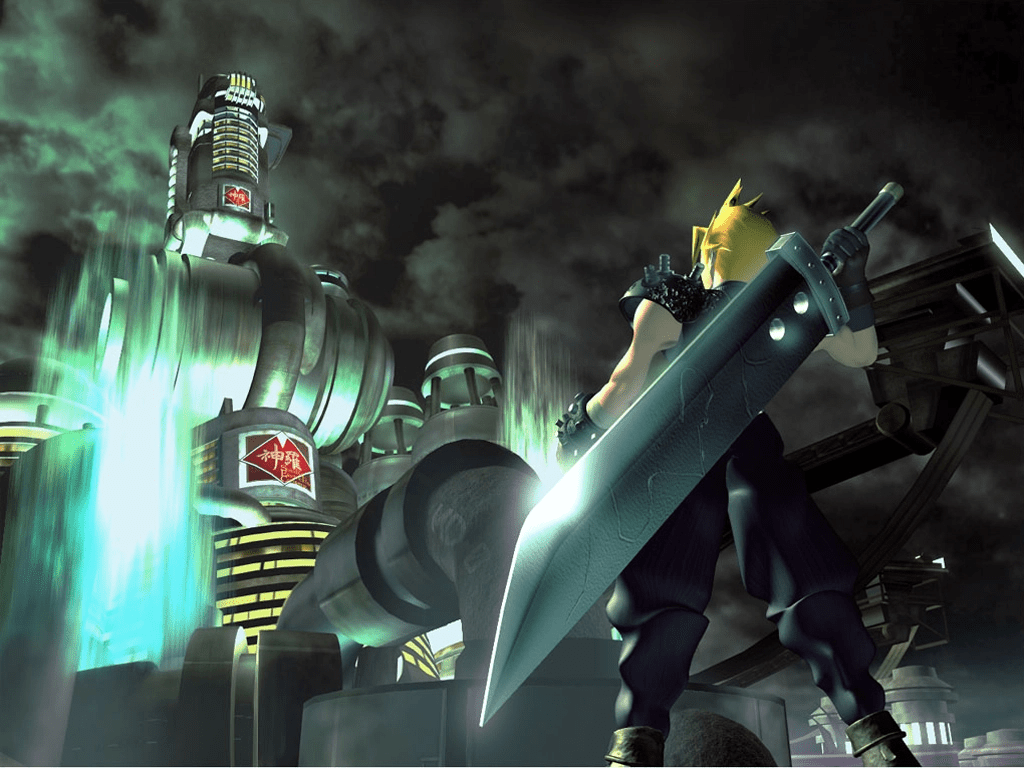
Final Fantasy VII In regards to technology, there’s this new thing called the World Wide Web and it presents a fascinating new way to share information and communicate over vast distances using interactive visual media. I’m eager to see what becomes of it in the following decades as new services are created pertaining to it and institutions become more savvy with it.

Dial-up Internet All in all, looking forward to this new millennia with hope for the future.
-
ASII: The 1970s and 80s: A Retrospective
These years rocked, literally. They had some of the best rock bands and musicians of all time, the likes of Rush (Canadian), Queen (British), Van Halen, and Cliff Burton of Metallica. But on a more serious note, there was a good deal of good and bad that happened in these decades.

Cliff Burton Starting off with the bad, a breakdown for a good while in American-Soviet relations, effectively putting a halt to detente. The oil crisis in the middle east causes prices in the United States to skyrocket, leading to slight economic recession. The Challenger Shuttle exploding mere moments after launch was a tragedy, especially to the world of scientific discovery and spaceflight. On that note, Apollo 13 nearly becoming the first human deaths in space was a terrifying spectacle to kick off these two decades. Iran kidnapping a bunch of Americans and holding them hostage for ages was tense. The two superpowers taking turns boycotting the Summer Olympics, the 1980 one in Russia, and the 1984 one in the US. Then you have Regan calling the Soviets and “evil empire’ and escalating tensions even further, despite me agreeing very much with that sentiment.
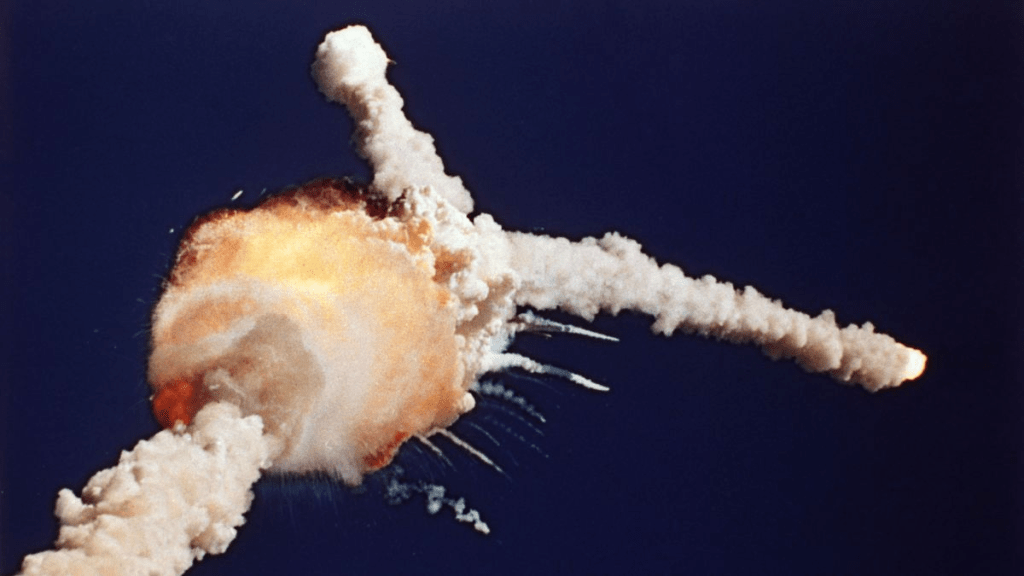
The Challenger Explosion Onto the good, the resuming of communication between the United States and the Soviet Union under Gorbachev brought about the quicker end of the Cold War, and although the Union would not dissolve until 1991, the cracks already showed when the Berlin Wall came down in 1989. As mentioned before, the music industry was booming, hit after hit seemingly made every month by old and familiar faces. Thrash metal was seriously taking off too in the rock scene, and soon names like Judas priest, Metallica, and Megadeth would become well known bands for their work. In the world of film there had been incredible leaps, from the grainy technicolor World War II films to the fantastic works of Lucasfilm like Indiana Jones and Star Wars to the terrifying claustrophobia of ALIEN.
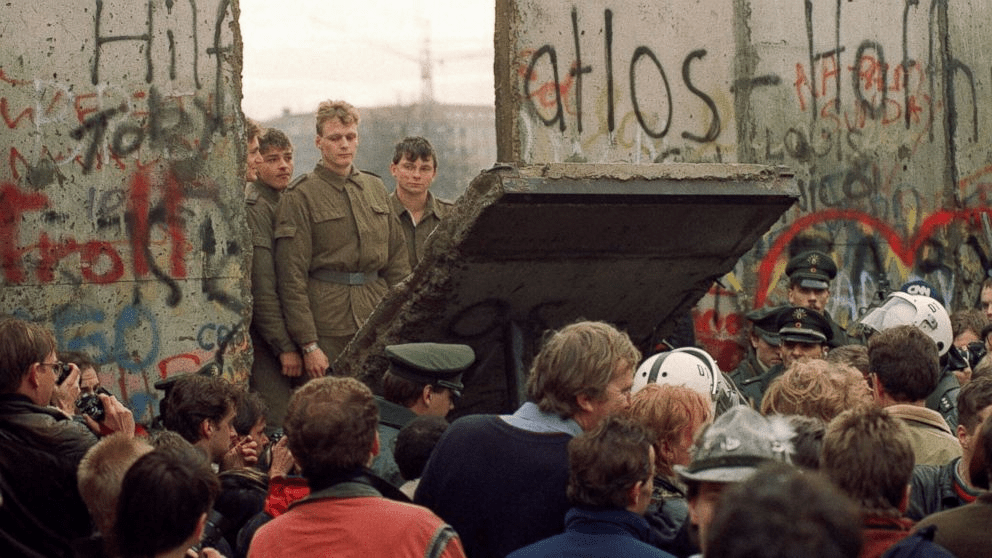
The Berlin Wall Coming Down In all, a solid two decades of bumpy but effective deescalation in the Cold War and for many a golden age of American artistry.
-
Subscribe
Subscribed
Already have a WordPress.com account? Log in now.
 World Civ 1 SLy