-
ASII: Living in 1980
That decade could have gone better, but it wasn’t all bad.
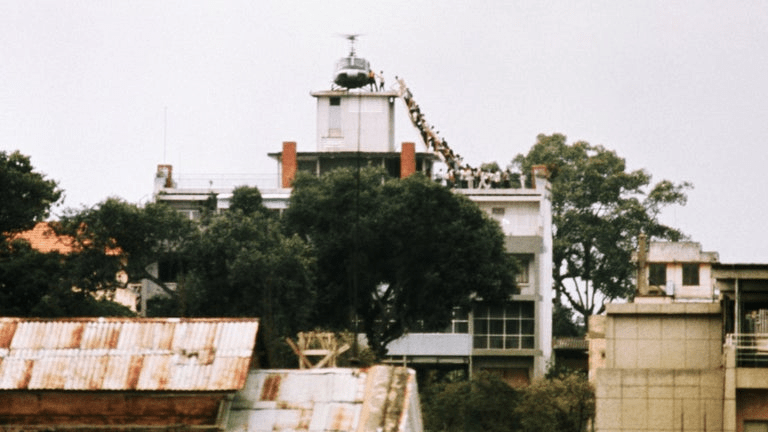
The decade started of with the Vietnam protests ever more vocal and present in our cites and towns. People were absolutely sick of the war and wanted it to be over with. In 1973 they got their wish, as all us troops would be pulled out save for a few advisors. Unfortunately North Vietnam took advantage of the situation, and in 1975 the last holdouts in Saigon fell to the communists.
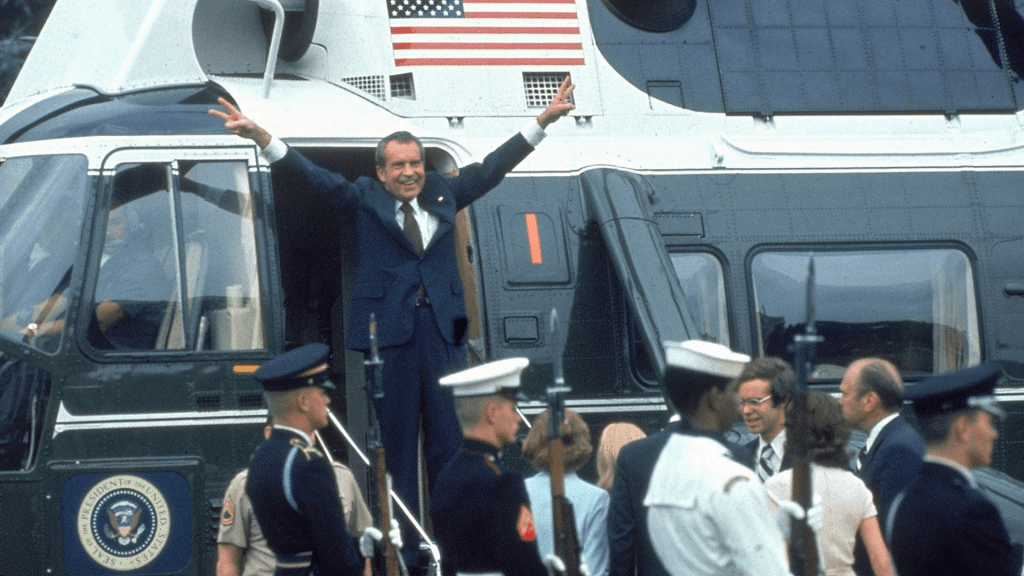
Speaking of things falling, Richard Nixon’s reputation. Turns out ‘Tricky Dick’ had his boys wiretap the Democratic National Convention at the Watergate Hotel. He then had the audacity to lie about in on television. In a smart move, he resigned his position as president. His former vice president Gerald Ford then pardoned him.
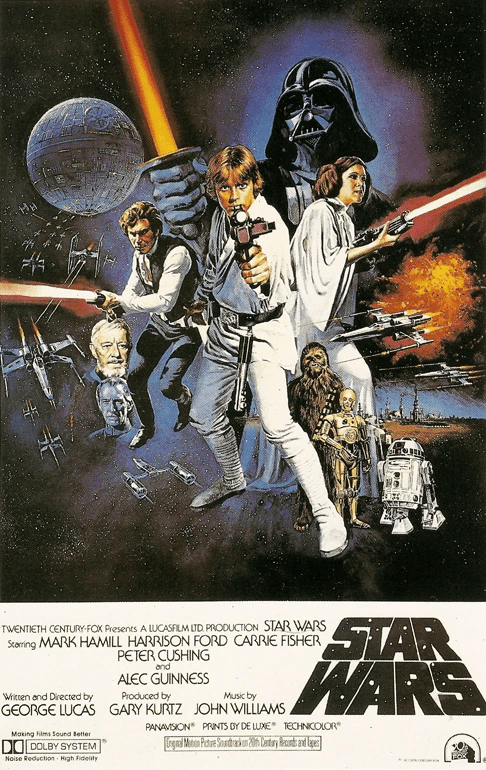
Meanwhile in space the crew of Apollo 13 suffered a serious accident to their ship. For days it was unknown whether they would make it back home alive, but thankfully they did. The idea of dying out there in space, floating forever, is a grim one. But speaking of space, there was this film that came out a few years back called Star Wars. It was really fun, really fast, the music was great, the effects were wonderful, and just the world it built is fascinating. I’m looking forward to its sequel this year, titled ‘The Empire Strikes Back.’
Persia had a revolution, calling themselves Iran now, and they really hate our guts. This oil crisis is hitting the nation hard, its a shame the Middle East can’t get along. It’s a shame we and the Soviets can’t get along. They invaded this place called Afghanistan out of nowhere and President Cater got so mad he had us boycott the Olympics in Moscow this year. I was looking forward to us showing them up on their own turf, but I guess we’ll have to wait till next time.

Hope things are brighter in the years ahead.
-
ASII: The 1950s and 60s: A Retrospective
Talk about fundamental shifts. The 1950 and 60s saw America through decades of changes to American society, both in how people thought of themselves and others, and of the actions of the government.
The late 40s and 1950s saw a generation of Americans who were able to grow up in the post war economic boom. Many were raised with an optimism for the future and a decent respect for the authority figures and institutions in their lives, but the events of the following decade would shake these feelings for many of them.

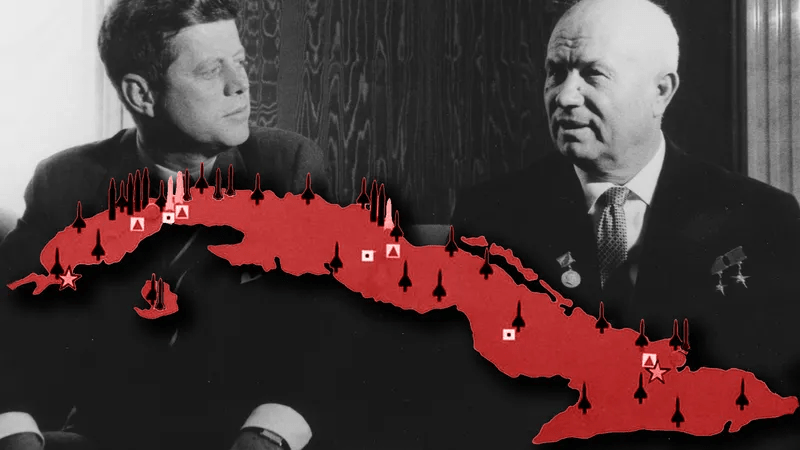
The US government was getting involved in a globe spanning power struggle with the Soviet Union. Their relationship would define the second half of the 20th century and even into the modern day with the current war in Ukraine. It nearly reached the breaking point with the Cuban Missile Crisis, which undoubtedly changed how the two superpowers interacted, with direct lines established between the White House and Kremlin.
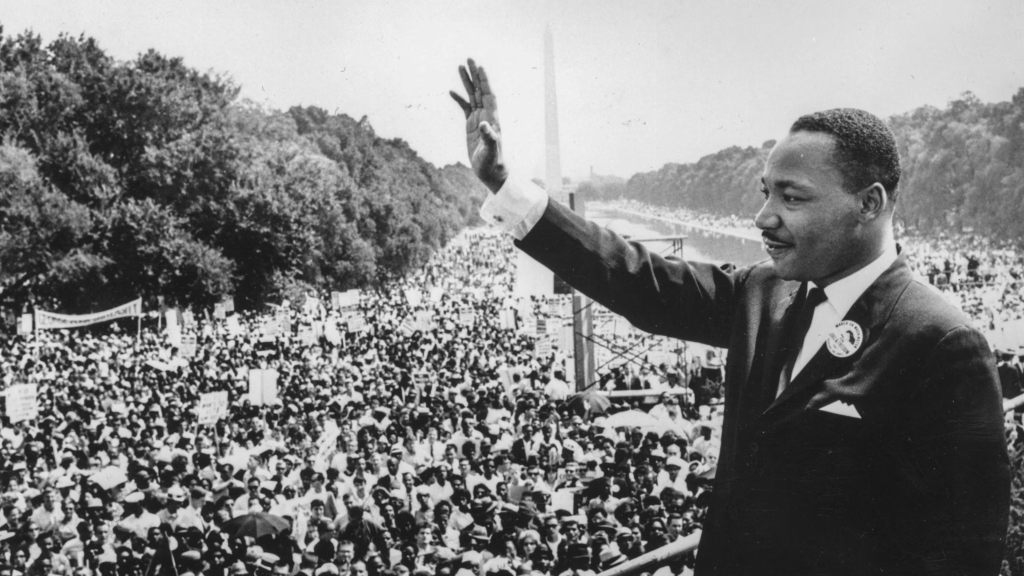
The Civil Rights Movement redefined race relations throughout the United States. Although it would take time for integration to be fully embraced by the general public, having it enshrined in law definitely helped. Martin Luther King Jr. served as an inspiration to millions of Americans generations even after his untimely death. In fact, political violence became a disturbing trend in the 60’s for popular political figures in the United States.
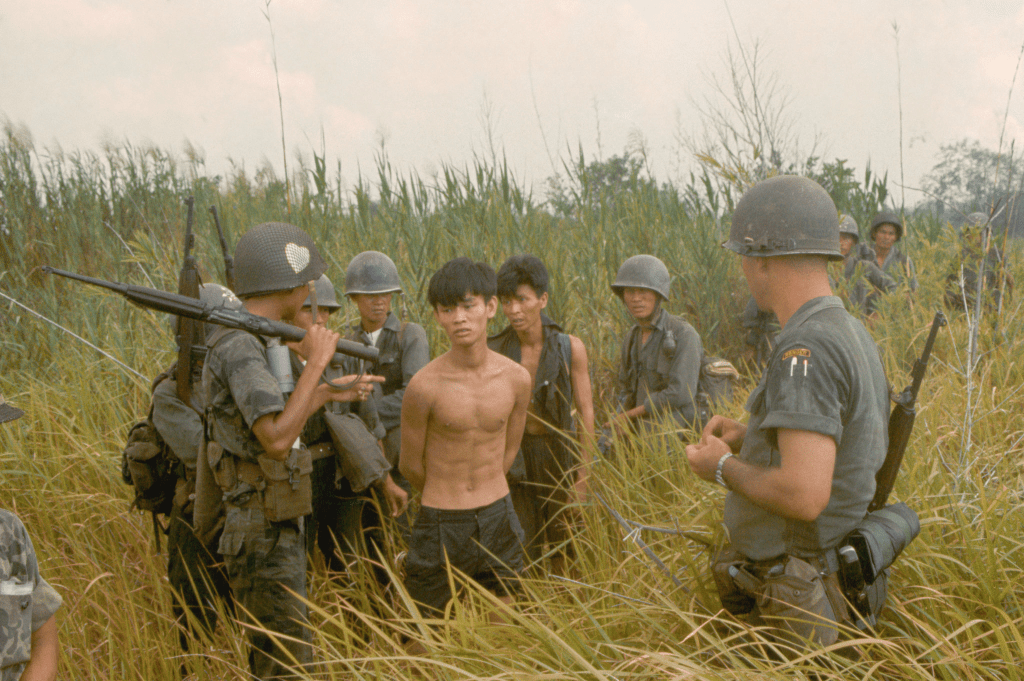
Vietnam also exposed how ironically imperial our government’s ambitions had become in the name of stopping the Soviets. It became a nationwide demand by the end of the 60’s to withdraw from the conflict.
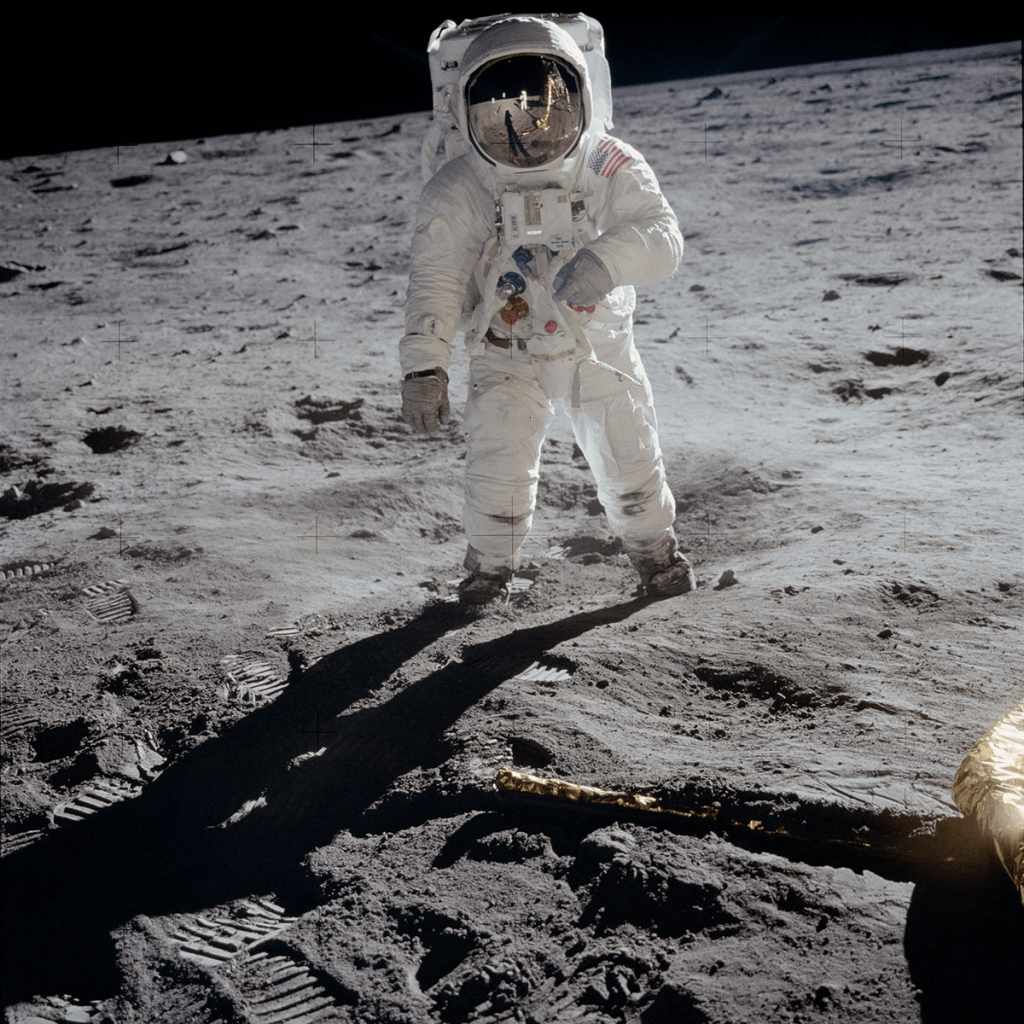
But as always, not everything that was happening was grounded in sensitive issues, for a challenge had been made by the Soviets and a goal set by JFK to put a man on the Moon by the end of the decade. Apollo 11 with Neil Armstrong and Buzz Aldrin in 1969 became first successful human journey to and from a planetary body.
-
ASII: Living in the 1950s
Its post World War II America, and things are looking a great deal better than around 20 years ago. The economic hardships of the Great Depression are long gone for most in the nation, and due to the gargantuan World War, and the relative safety the US mainland enjoyed during the conflict, many people across the nation now find themselves with more money in their pockets and looking towards a brighter future. At least, that’s the look of things on the surface, but the truth is that there’s trouble brewing across the globe and in the nation.

Stereotypical depiction of a 1950’s suburban family The Soviet Union, our one time ally against the Nazis (who ironically were one time allies OF the Nazis), seeks to expand its influence and ideology across the globe. Its not like our nation isn’t doing the same, but what makes the situation more dire is that we are engaged in an arms race. The power of the Atomic bomb is terrifying to see in the newsreels, and both the US and the Russians are doing all they can to ensure their arsenal is the most mighty and ready to be delivered at a moments notice.
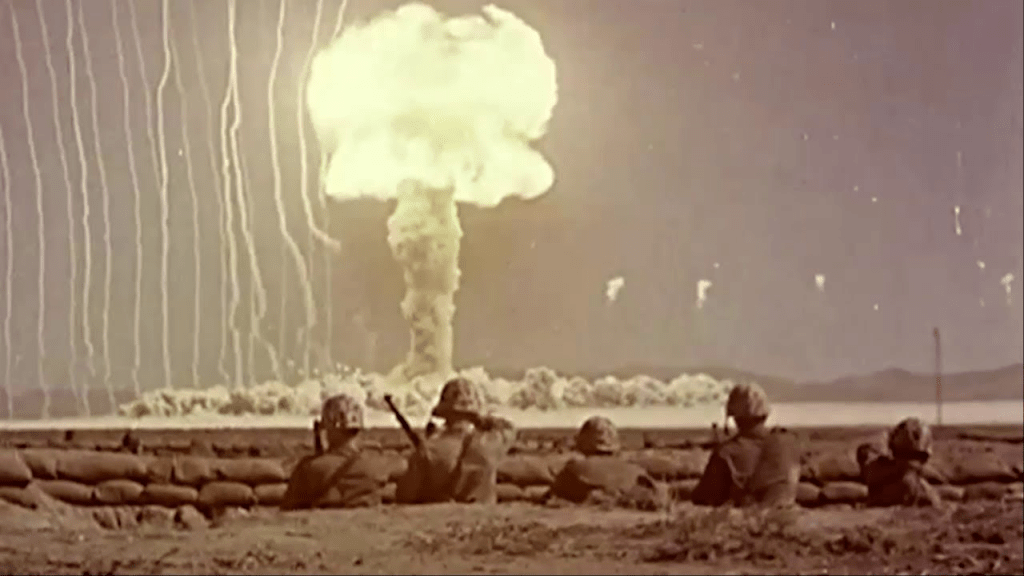
Nuclear Bomb Tests Its not just the Soviets we have to worry about, its our own government and them going after the character of anybody who openly holds left-of-center views. The House Un-American Activities Committee is scary, especially since they go after people in unions that don’t toe the line. But its not just our officials that alarm me, there’s been a backlash of violence over a ruling by the supreme court, allowing integration of schools and classrooms. I heard that the protestors were making death threats at the children; children! I thought we fought the Nazis to put an stop to this nonsense.
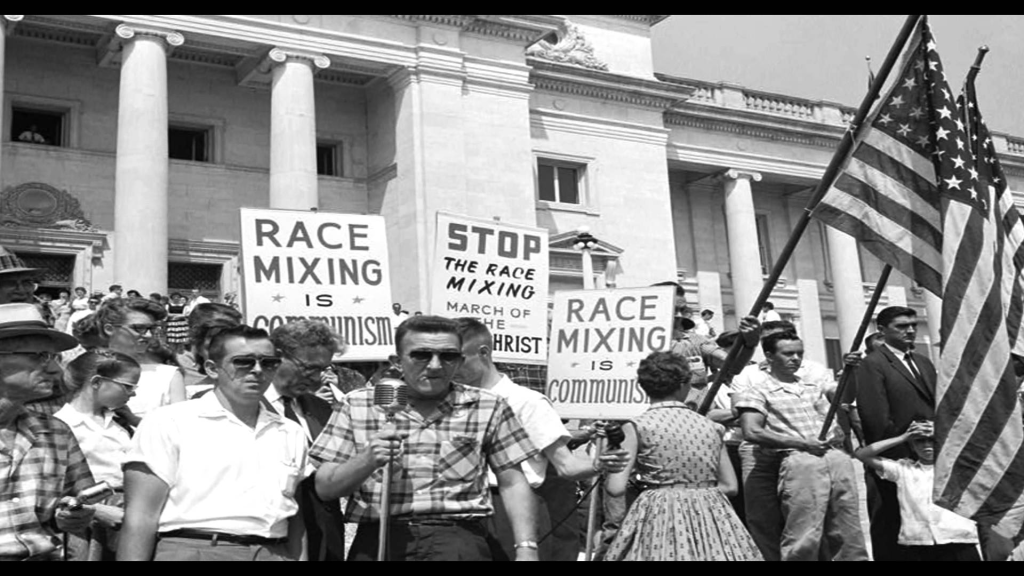
Protestors of Brown vs Board I hasn’t be all doom and gloom though. TV has been a real treat, for despite the price tag being able to stay up to date with news footage or watching sports from the comfort of home has been swell. But when on the way to work, there’s been this new sound on the car radio lately called Rock n’ Roll, and its pretty neat, especially when they let those new electric guitars take the lead.
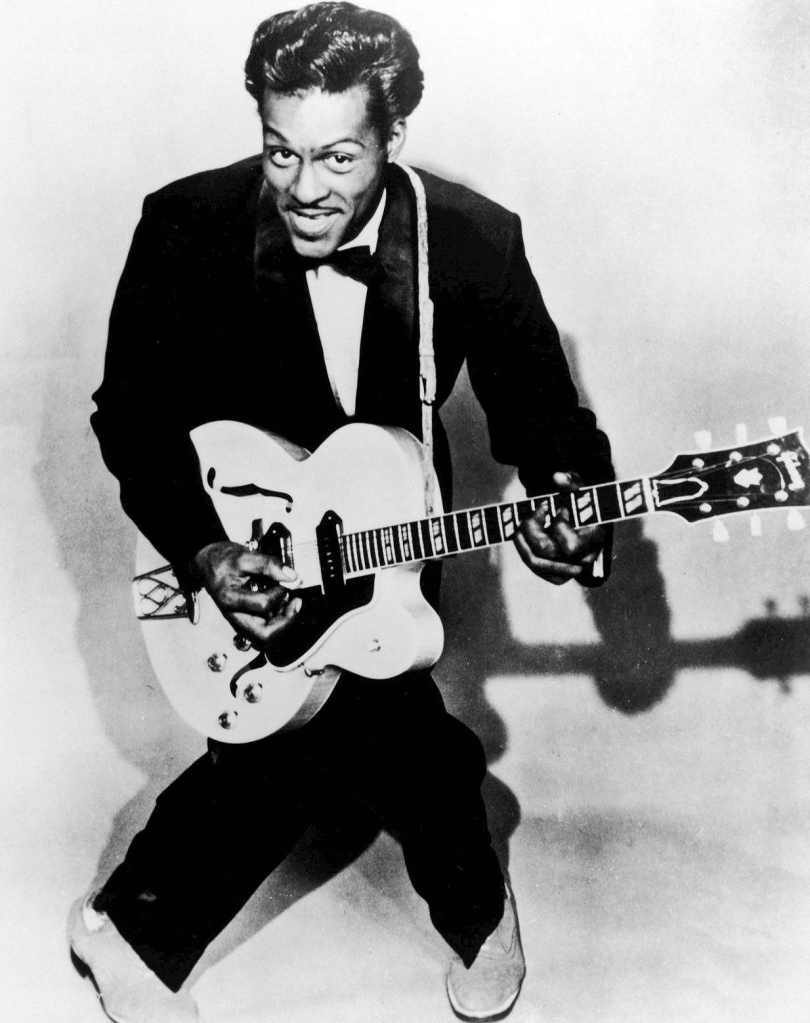
Chuck Berry In all, what I really want is to be is safe from the bomb and free to live my life.
-
ASII: The 1920s and 30s: A retrospective
These two decades were like opposite sides of a coin. The 20’s were a time of celebration, laze faire economics, prohibition, and hands-off government. The 30’s were a time of tension, regulation, anti-prohibition, and government programs. But as history shows, there are connections between events, and these two decades brought a lot of changes together for American society.
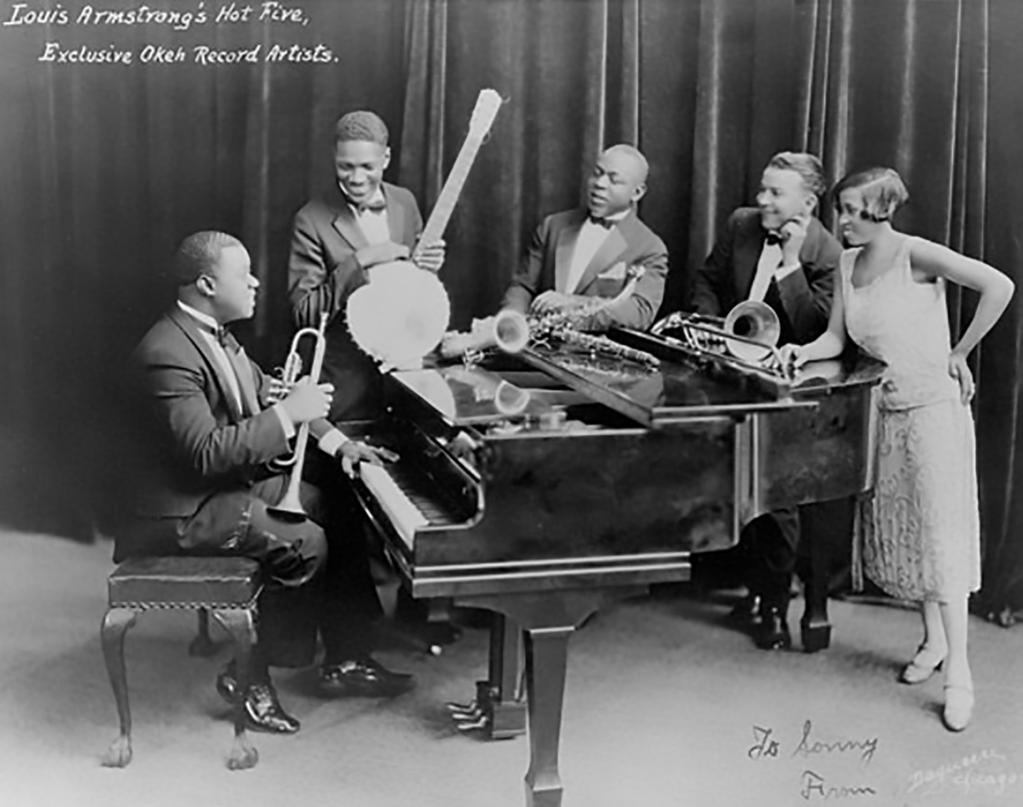
In the 1920’s you this thing called prohibition, where there were a bunch of rules against the production and distribution of alcohol due to the 18th Amendment. The issue was the basic economics of supply and demand, where they took away the supply of booze without taking away a deeply ingrained public demand. This led to underground operations and speakeasies, and in these hidden clubs you had jazz become the powerhouse that eventually took the nation by storm with names such as Louis Armstrong. Such music only got a wider audience with the mass commercialization of this device called a radio which picked up broadcasts from distant locations that you could tune to or switch to someone else.
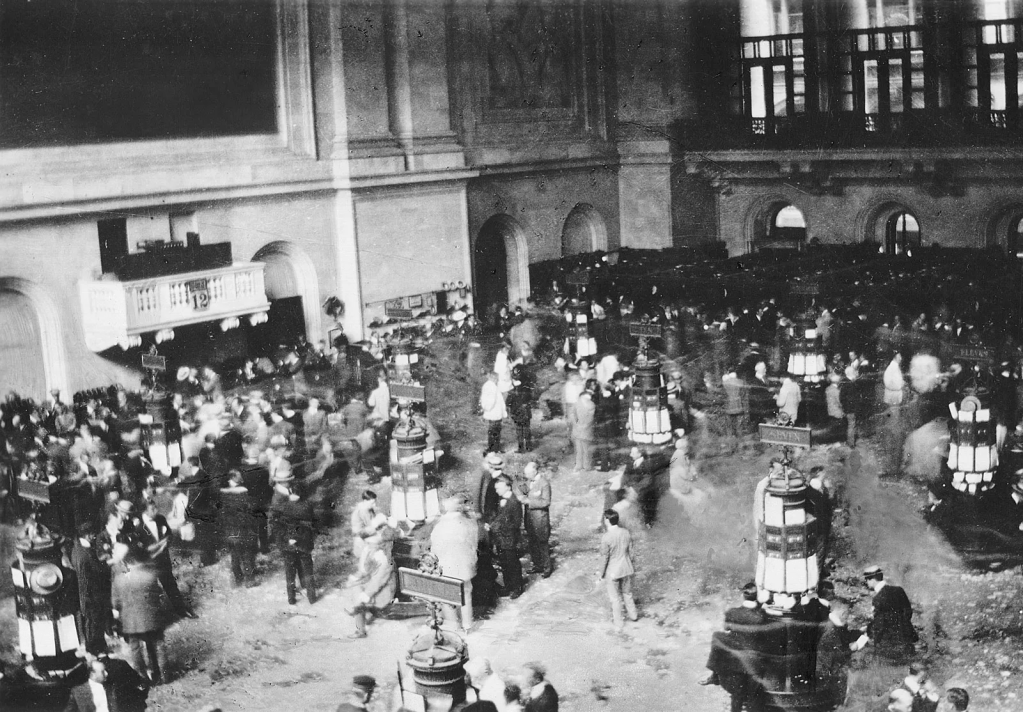
Wall Street became a household name for two reasons: one was that a lot of people were putting money in the market and making it rich during the decade, and the then when it crashed in 1929 and became ground zero for the worst financial catastrophe the global economy has ever seen.
Which leads us into the 1930’s and kicking off with the Great Depression. Government neglect and a quarter of the nation unemployed had left a great deal of issue to contend with, and suddenly the idea of banning liquor seemed ridiculous, for if everyone was secretly drinking it anyways and giving money to criminals, why not just legalize it, regulate and tax it to gain the government much needed revenue and reduce the crime problem at the same time. But it would be more than prohibition the government would tackle, for the FDR administration in its first 100 days passed sweeping reforms that set up department after department in the executive branch, and instituted massive works projects to give unemployed Americans some economic stability. Social Security, the FBI, FEMA are agencies that still exist to this day, providing a service to the national government and/or the citizens who need them.

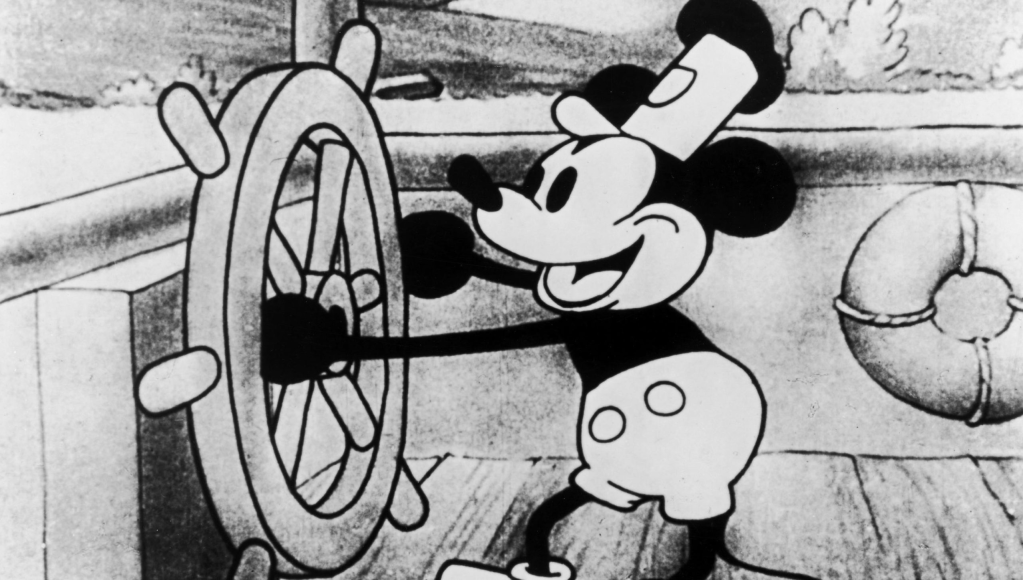
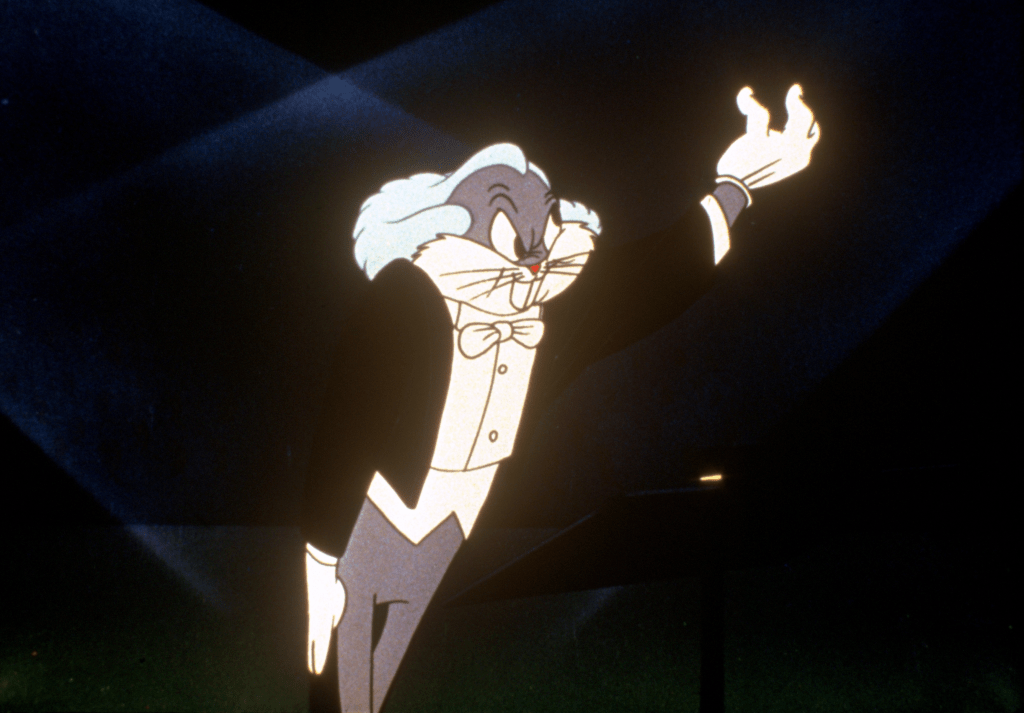
It’s not as if all fun ended when the Depression hit, for in Florida a ragtag group of car enthusiasts who spent the twenties outrunning liquor patrols had set up a car race at Daytona Beach, what would one day become NASCAR. In California, two different animation companies were seeing much popular acclaim for their work in cartoons, providing those who could watch some relief from the woes of the day, be it through a little cartoon mouse and his shenanigans, or a wisecracking rabbit and his shenanigans. They were Walt Disney and the Warner Brothers respectively.
-
ASII: Living in 1930
Twenty years have passed since 1910, and the world finds itself in a very different place. Many of the great empires of Europe collapsed after a devastating World War, something that many hope will never happen again.
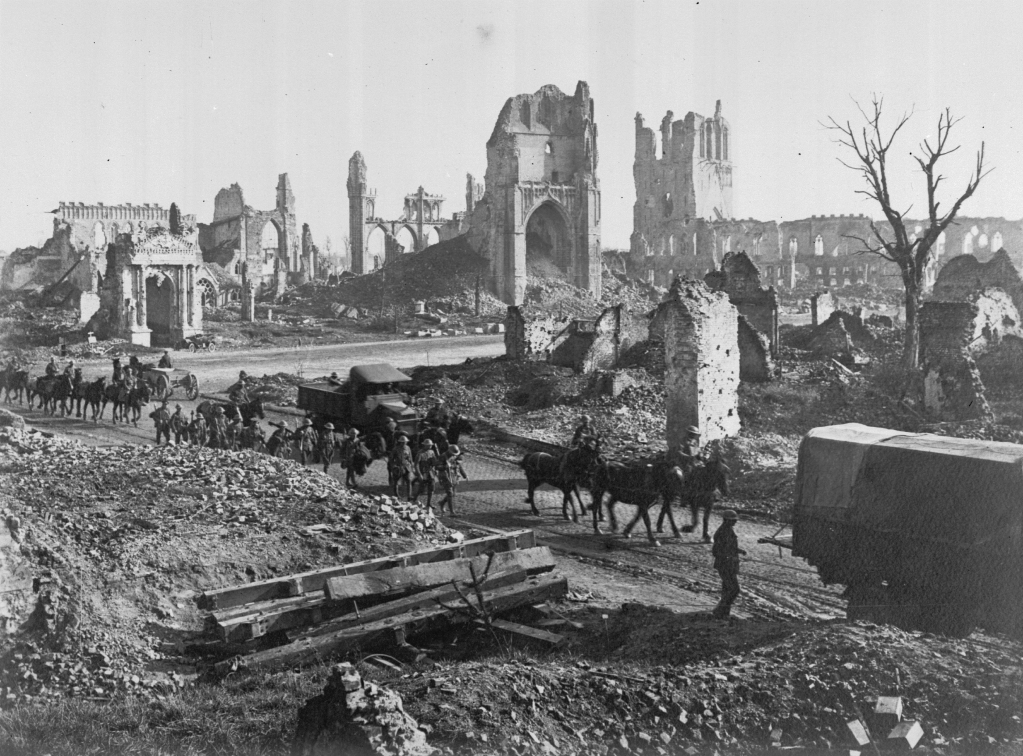
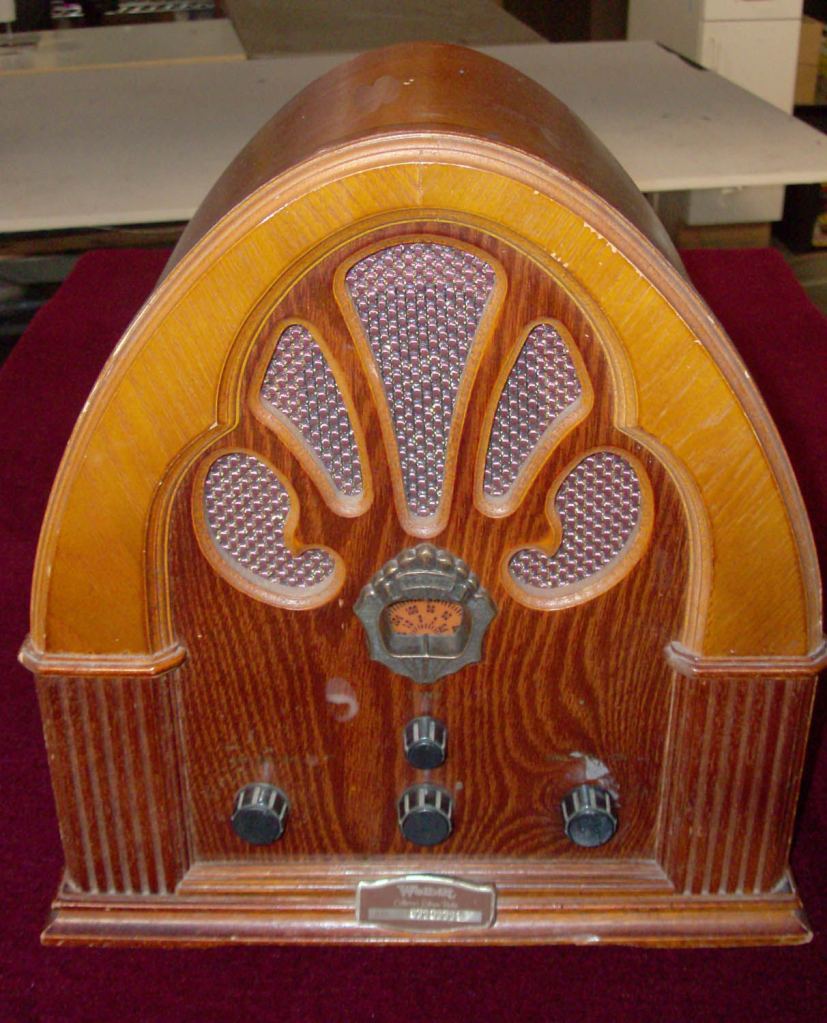
Ypres, Belgium (Post War) Electricity is now prevalent across the nation and not just in the big cites, and with it came this device called a radio which can pickup a broadcasted electronic signal from an unimaginable distance, bringing everything from news headlines to advertisements to audio dramas to music, my personal favorite being jazz as classical unfortunately loses some nuance coming through a staticky speaker.
Its not all fun and games though. While a lot of us were finding newer and more fun ways to skirt prohibition, the boys on Wall Street bet our money on skyrocketing stocks. Little did I or my friends expect everything to go so wrong so quickly.
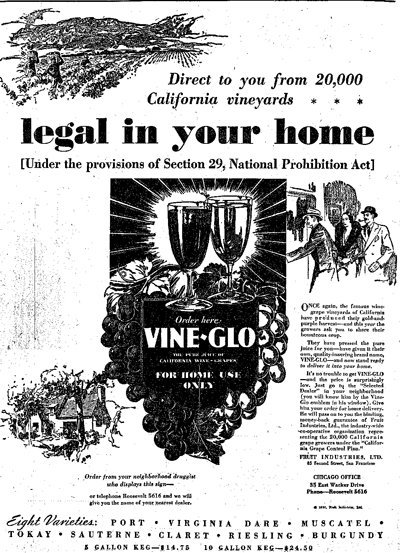
Everything went to blazes last October, the entire global economy crashing down around our ears as people ran desperately to their local banks, withdrawing everything they could. The government was no help as usual, they basically told us to pound sand as far they cared. I hear it’s like this everywhere, and those Europeans now have one more rotten thing on their plate, metaphorically speaking. I’ve come to realise I’m just one of millions hoping to hang onto my job while the world burns.
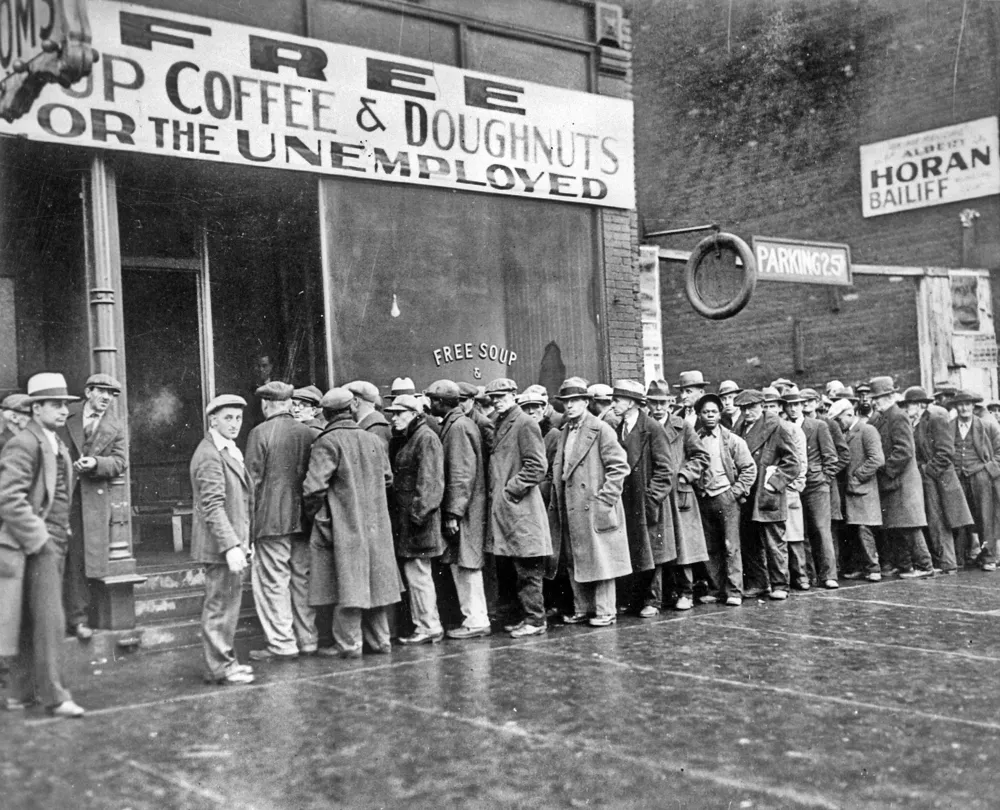
A lot of the guys got laid off, and some had big dreams of mansions and villas down south. All I ever needed was my small apartment, my radio and enough money to eventually find someone, or just enough to spend on a strong drink. Never thought that could be luxury until them ‘Hoovervilles’ sprung up near the park last winter.

Hard to believe this could happen to America. God help us all…
-
ASII: The 1900s & 10s: In Retrospect
The first two decades of the 1900s had an enormous impact on how the 20th century would play out for the United States.
The 1900s saw the creation of not only Henry Ford’s namesake auto manufacturing company, but of the first powered flight of a heavier-than-air vehicle by the Wright Brothers at Kitty Hawk, North Carolina that same year.
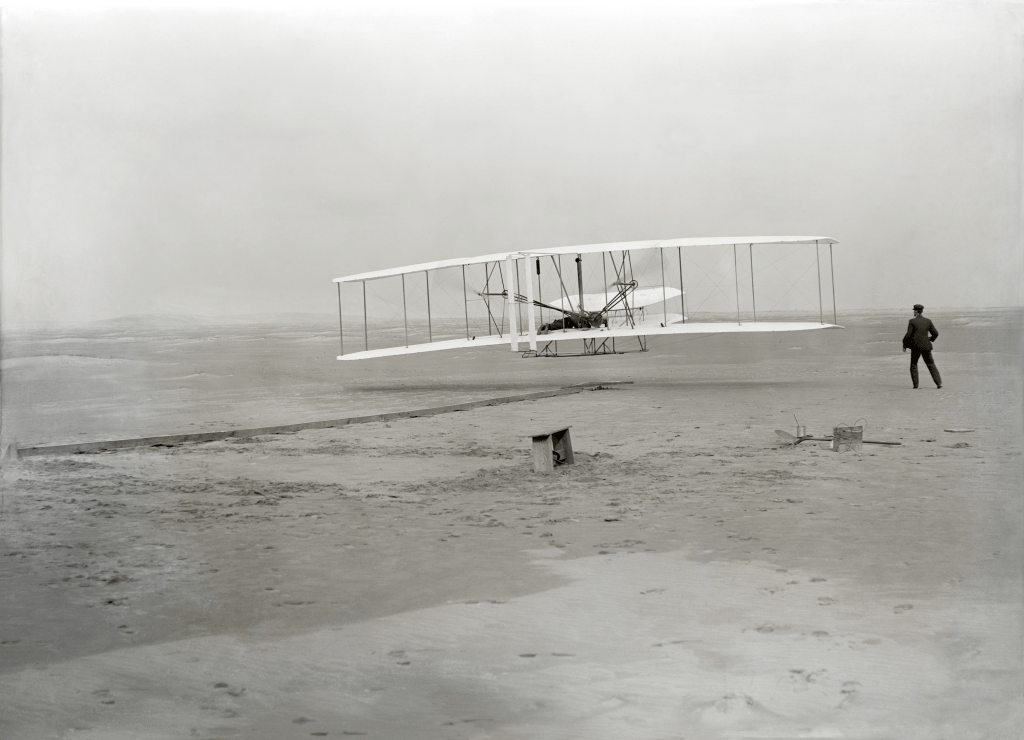
The Wright Flyer With the presidency of Teddy Roosevelt bringing about social reforms and expansion to government programs, not to mention the construction of the strategically important Panama Canal; America was already set to evolve into a major player on the world stage. With the advent of World War I and the desire of Europe for raw materials, the U.S. was easily able to skyrocket to the premiere economic power in the world off the back of the British Empire’s wartime expenditures.
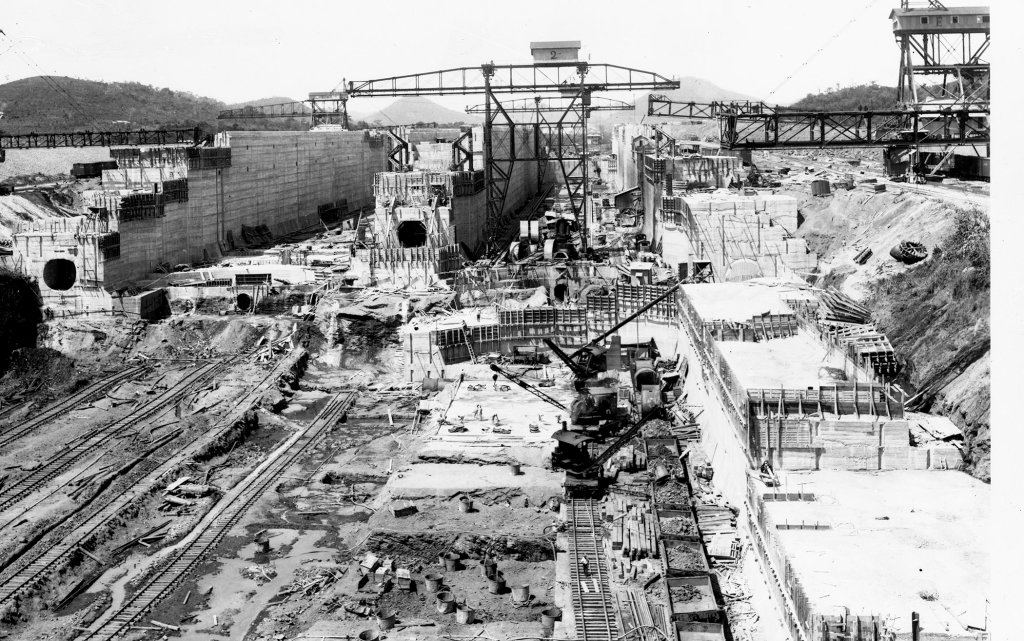
Panama Canal Under Construction In regards to the working classes, the Triangle Shirtwaist Fire brought workers safety into the national public consciousness. Suddenly fire escapes, emergency exits and evacuation procedures became more frequent in office buildings and factories, with New York developing the strongest labor laws in the nation by the time the 20’s rolled around. These regulations would lay the groundwork for national policies implemented under F.D.R. and the eventual creation of OSHA decades later.
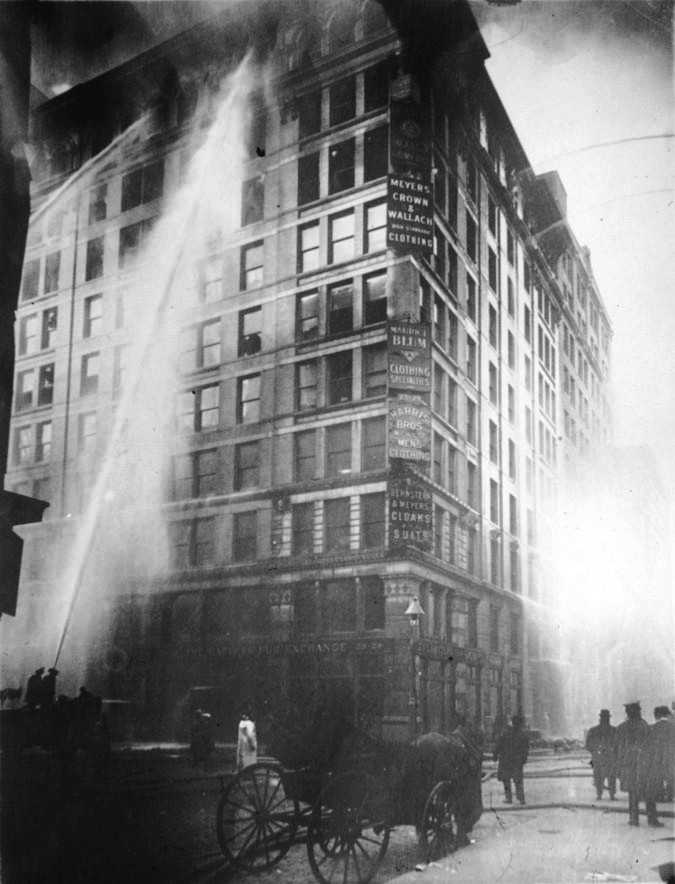
Triangle Shirtwaist Fire But one cannot ignore the negative events that occurred in this decade in regards to political and race relations. The screening of Birth of A Nation at the White House under Wilson caused the infamous hate group, the KKK, to resurge across the country. The effect this film had on communities of color would be felt by their war veterans returning from the less racial-focused fields of France, and by other innocent bystanders who were in the wrong place at the wrong time. On a similar note, as if to foreshadow the events of the 1950’s, the first Red Scare resulted in general panic and fear of left leaning groups and organizations, leading to a more politically conservative decade in the 1920s.
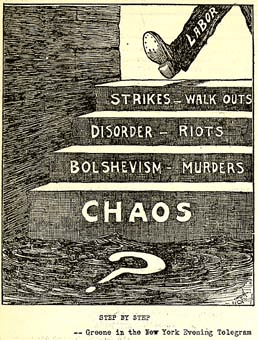
First Red Scare Propaganda Illustration -
ASII: Living in 1910
Its the year 1910; the Industrial Revolution is in full swing, the empires of Europe are at their height, and the twentieth century is shaping up to be very eventful. In the cities of the United States you’ll find everyday people, from the young to the old out working to support themselves or their families, praying and hoping that today is another day they can escape injury.
The world of the early twentieth century was a time of change in more ways than one. What began in the mid 1800s had grown into a global movement for workers rights. The conditions of factories and mines often left people with damaged lungs or missing pieces, and it was a constant uphill struggle over years to see simply minor gains in workplace safety.
As a worker I would be concerned whether or not I can fired on the spot simply because the boss is looking to exploit migrants for less pay, or potentially getting the snot beaten out of me for simply forming a union to protect me and my compatriots from abusive bosses. I’d live in fear of being asked repair a machine that with one stroke of its internal mechanisms could sever my arm or leg. Yet in the midst of this fear my colleagues and I have been given reason to hope. The previous president Teddy Roosevelt managed to stand up to some of the most powerful men in the nation, nay the world, and bring them to heel or forced them to compromise. If there are even a hundred people such as him in positions of power throughout our vast nation, then surely we the workers can, through dogged persistence, win.
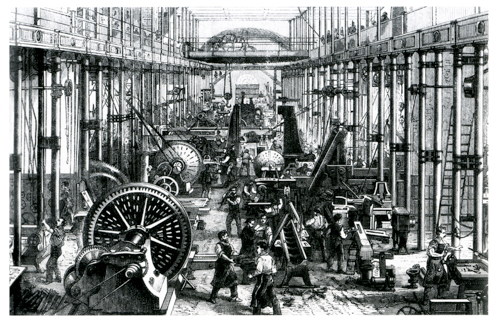
US Steel factory -
Khan & the Conquerors
Genghis Khan and others like him are frequently talked about in world history. While he improved the lives of his people, often incorporating others outside his domain into his empire by their merit, he was also brutally efficient in dispatching those he saw as a threat, not to mention ruthless to those who showed resistance.

“Genghis Khan” The reason we remember people like him, conquerors, comes from a place ranging from admiration to horror. Alexander the Great’s armies won impressive battles, but they served a man who kept naming cities after himself, pushing them for over a decade from Greece to the doorstep of India. Julius and Augustus Caesar, achieved great feats and brought glory to Rome, but they also perpetuated a culture of violence, where the domination of your foe was the order of the day. The British established an empire where the sun never set, but in the process used and abused its authority over native peoples, consuming their lands for all that was of monetary value. Napoleon was a brilliant commander, but his arrogance, his dissatisfaction with “enough” led him to fight for nearly 2 decades, conquer vast swaths of Europe, but lose hundreds of thousands of men in quests not of security, but likely vanity. Hitler wanted a world where his version of perfect could be achieved, and only at the expense of tens of millions were he and his Axis associates halted and crushed before the world saw the slaughter and subjugation of all that did not belong according to his mad vision.

“World War II (November 1942)” We who learn remember people like these because they shaped how we view the wider world. We would not cherish civil rights or functioning democracy/republicanism without the warnings Rome gave by example. The world saw war as less glamorous when the writings of common soldiers became prevalent, and the missing limbs and damaged minds returned alongside their words. The way men convinced whole nations that the world was theirs to conquer for their people alone, it forced other nations that had existing issues, across the world, to band together to save not just themselves, but by extension each other. We remember conquerors because to forget them means to forget just how costly the lives we now live were to our ancestors. Let us not seek to dominate each other, but instead conquer the perils of our world together, as many, as one.
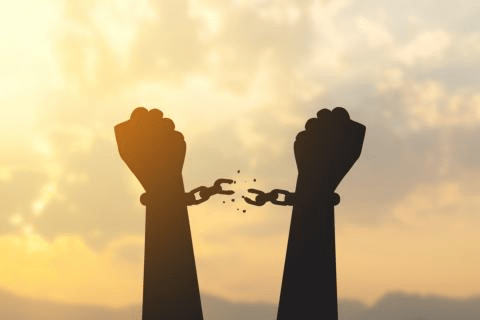
“Freedom” -
The Maya
Let us get this out of the way first: the Mayan and Aztec Pyramids were not built by aliens, nor were they given the knowledge of astronomy by them. The Maya learned these things themselves, separate from so-called “advanced” civilizations. But, that doesn’t stop ignorant or deliberately racist people from trying to promote that idea to this day. It sounds ridiculous, especially after the “ominous” ancient calendar that ended in 2012 was proven to be just that, a long calendar. I just believe the Maya were confident of their civilization surviving far into the future, and the calendar was made long for that reason.

“Reproduction of Mayan calendar” What better represents the Maya is their amazing feats of engineering, multiple cities, comprehensive crop setup, and especially their understanding of time and the stars. They designed their great pyramid to the feathered serpent god, Kukulcan, at Chichen Itza with 365 steps, and at each equinox the sun sets directly aligned with the structure, making the light look like a serpent slithering down. They developed the game of Ring Ball, where one wouldn’t use their hands to get a really heavy rubber ball into a hoop to win a game, and the losers were sacrificed.

“The Pyramid of Kukulcan, Chichen Itza, Mexico” As to how their culture affects our own to this day, I would say on the periphery in the United States. Most people know about the Maya due to the supposed “doomsday prophecies” made over a decade ago involving the end of their centuries old calendar. Also, the concept of human sacrifice in religious ceremony is rather well known, but in modern times is very much frowned upon. For me personally, their ruins and the history surrounding the mysterious nature of their collapse has arguably influenced some of the greatest adventure stories ever made, especially ones set in the jungle. Even though their empire has long faded, their presence in our minds remains. In Mexico its a protected part of their identity, and there are actually native Maya who still exist, some even practicing the less murderous rituals of ages past.

“A Maya man in traditional attire” -
Africa: History Lost to Time
When studying the cultures of the world, historians have generally focused on the written sources they left behind or still possess. These artifacts, if they are able to be read, allow them to piece together a deeper history of that culture. What sets Africa, and in particular Sub-Saharan Africa, apart is that traditional practices led to a prominent reliance on oral tradition when telling group’s history. Why this is an issue for historians stems from the European colonization and exploitation of Africa.
Over the course of many centuries Sub-Saharan Africa was pillaged by European powers seeking natural resources and a pool of cheap (often unpaid) labor. In their eagerness to consume the continent, the forces behind the growth of their empires went in with hardly a modicum of respect for the cultures or customs of the native peoples. The Atlantic Slave Trade, forced labor, family separation, displacement, destruction of their homes and cities; all of these contributed to the oral histories of African being all but lost.
It comes then as no surprise that the history of Africa is only just now beginning to be recorded and understood in depth from the cultures that survived these events. Hopefully time will tell if those in the future will know of these cultures as well as we do others around the world, and that even their heritage sites may be respected for the treasures they are.
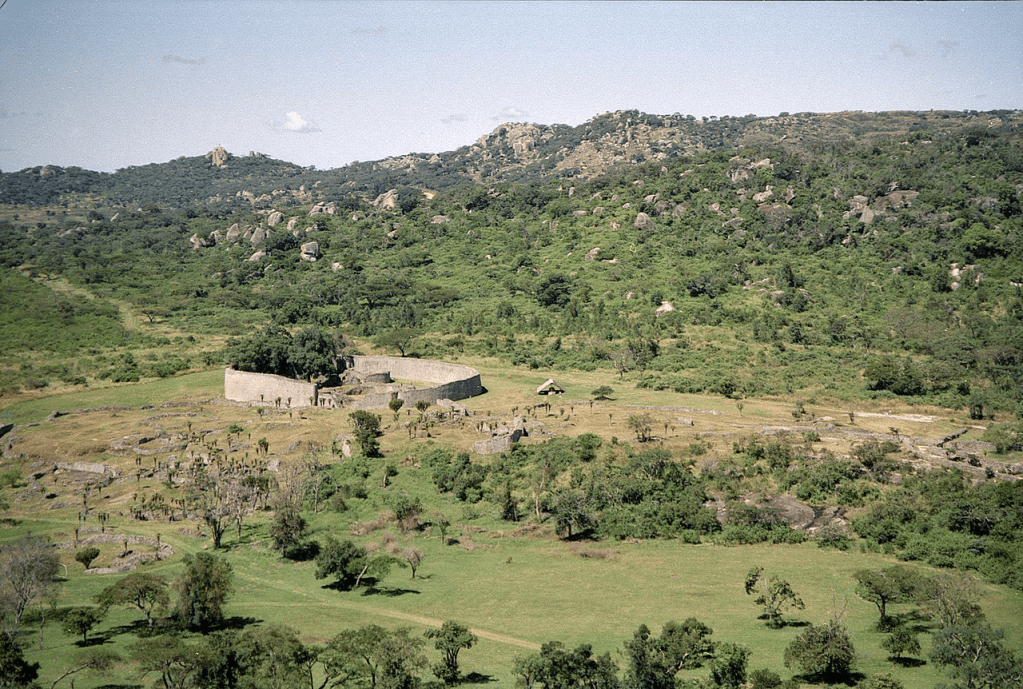
“Ruins of Great Zimbabwe”
-
Subscribe
Subscribed
Already have a WordPress.com account? Log in now.
 World Civ 1 SLy